Katsina Leadership Doubles Down On Empowering Women And Youth Through Enterprise

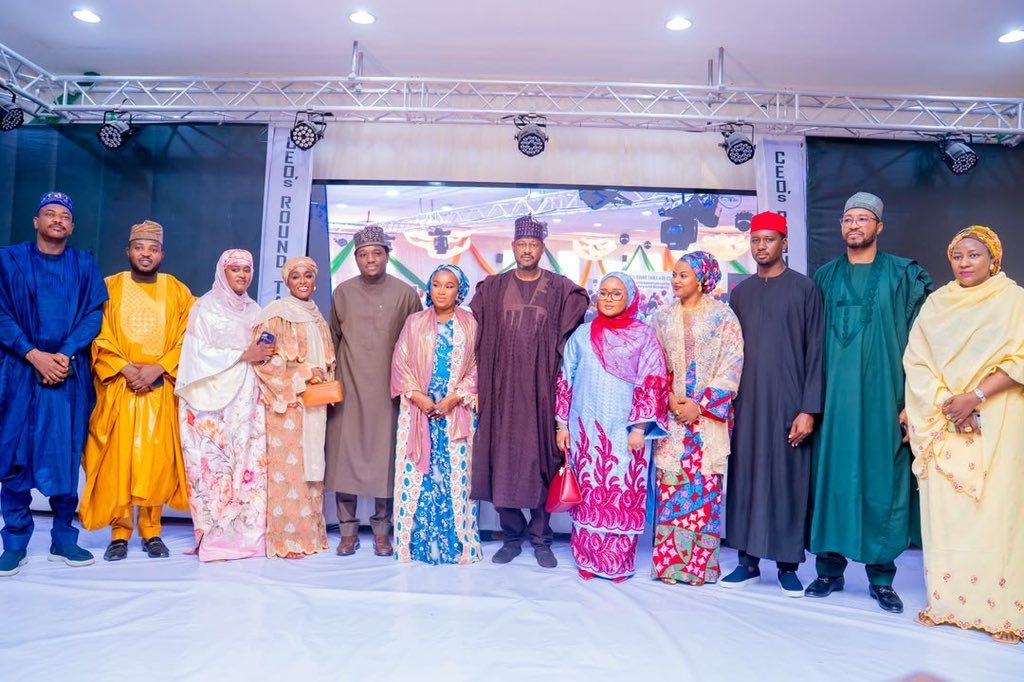
By Asiwaju Adekunle Saheed State leadership in Katsina has reaffirmed its commitment to empowering women and young people through entrepreneurship, describing their economic participation as central to the growth of the state’s economy. Speaking at the fourth CEOs Round Table Summit and Exhibition organised by the Initiative of Innovative Youthpreneurs Sustainable Development in Katsina, officials stressed that empowering women is not only about supporting individuals and families but an investment in the state’s economic future. The state’s focus, according to officials, rests on providing three critical links for successful entrepreneurship, capacity, market and finance, noting that access to funding alone is not enough without the skills to manage businesses and access to viable markets. Katsina is also investing in skills acquisition, vocational training, agriculture and enterprise development to help young people convert their ideas into productive livelihoods, with officials noting that such opportunities also help reduce idleness and strengthen security. Entrepreneurs were encouraged to embrace technology, mentorship and innovation while modernising traditional trades and developing markets for products made in Katsina, as part of a broader push toward sustainable economic growth. Organisers of the summit were commended for creating a platform connecting entrepreneurs with business leaders, mentors and new opportunities, with officials pledging continued support to help residents become job creators rather than job seekers.

Continue Reading
$2 Billion and Counting: FG Doubles Down on CNG Push to Cut Transport Costs

The Federal Government has restated its commitment to reducing transportation costs for Nigerians by deepening adoption of Compressed Natural Gas as a cheaper, cleaner alternative to conventional fuels, with Minister of State for Petroleum Resources Gas, Ekperikpe Ekpo, disclosing that more than two billion dollars in private investment has been secured since the CNG Initiative launched in 2023. Ekpo said over 120,000 vehicles have been converted through more than 400 conversion centres nationwide, while over 90 CNG refuelling stations are now operational, with 7,700 technicians trained and over 10,000 jobs created under the programme. He said commuters, transporters and fleet operators are already recording significant savings on fuel costs, commending President Bola Ahmed Tinubu’s directive for the establishment of 500 additional CNG refuelling stations, which will expand the national network to 1,000 stations. Ekpo urged more state governments to key into the programme, saying wider CNG adoption would further ease transportation costs and reduce the financial burden on ordinary Nigerians. By Asiwaju Adekunle Saheed

Continue Reading

Nigeria’s Economy Picks Up Pace, Grows 4.43% in Q2 as Push for $1 Trillion GDP Continues

Nigeria’s economy expanded by 4.43 per cent year on year in the second quarter of 2026, up from 4.23 per cent in Q2 2025 and 3.89 per cent in Q1 2026, according to the Federal Ministry of Finance, lifting first half real GDP growth to 4.16 per cent, up from 3.68 per cent over the same period last year. The Ministry said growth is becoming more broad based, with 27 economic subsectors recording real growth above 3.0 per cent in Q2 2026, up from 23 subsectors a year earlier, showing expansion is no longer concentrated in a handful of industries. Productive sectors led the way, with manufacturing growing 3.24 per cent, more than double the 1.60 per cent recorded in Q2 2025, agriculture expanding 4.39 per cent, up from 2.82 per cent, and services, the largest driver of growth, expanding 4.60 per cent, up from 3.94 per cent. The Ministry said steady appreciation of the naira, up more than 12 per cent between H1 2025 and H1 2026, amplified these gains in dollar terms, expanding the economy by roughly 17 per cent in US dollar terms over the period, a pace it said could meaningfully lift millions of Nigerians out of poverty if sustained alongside government’s social programmes. Citing IMF data ranking Nigeria among the top 10 contributors to global real GDP growth in 2026, the Ministry said continued stability and investor confidence would accelerate the country’s progression toward becoming Africa’s largest economy by 2028 and reaching its target of a $1 trillion economy by 2030. By Asiwaju Adekunle Saheed

Continue Reading

Nigeria’s Economy Roars to 4.43% Growth, Government Eyes $1 Trillion by 2030

Nigeria’s economy expanded by 4.43 per cent year on year in the second quarter of 2026, up from 4.23 per cent in Q2 2025 and 3.89 per cent in Q1 2026, lifting first half real GDP growth to 4.16 per cent, up from 3.68 per cent over the same period last year, according to the Federal Ministry of Finance. The Ministry said growth is becoming more broad based, with 27 economic subsectors recording real growth above 3.0 per cent in Q2 2026, up from 23 subsectors in the same quarter last year, showing expansion is no longer concentrated in a handful of industries. Productive sectors led the way, with manufacturing growing by 3.24 per cent, more than double the 1.60 per cent recorded in Q2 2025, while agriculture expanded by 4.39 per cent, up from 2.82 per cent, and services, the largest driver of growth, expanded by 4.60 per cent, up from 3.94 per cent. The Ministry said steady appreciation of the naira, which strengthened by more than 12 per cent between H1 2025 and H1 2026, amplified these gains in dollar terms, expanding the economy by roughly 17 per cent in US dollar terms over the period, a pace it said could meaningfully strengthen dollar incomes and lift millions of Nigerians out of poverty if sustained. Citing IMF data ranking Nigeria among the top 10 contributors to global real GDP growth in 2026, projected to account for roughly 1.5 per cent of world growth this year, the Ministry said continued macroeconomic stability and investor confidence would accelerate Nigeria’s progression toward becoming Africa’s largest economy by 2028 and reaching the government’s target of a $1 trillion economy by 2030. By Asiwaju Adekunle Saheed

Continue Reading

Power Is Medicine Too, Says Health Minister as RAMCO Targets Hospitals

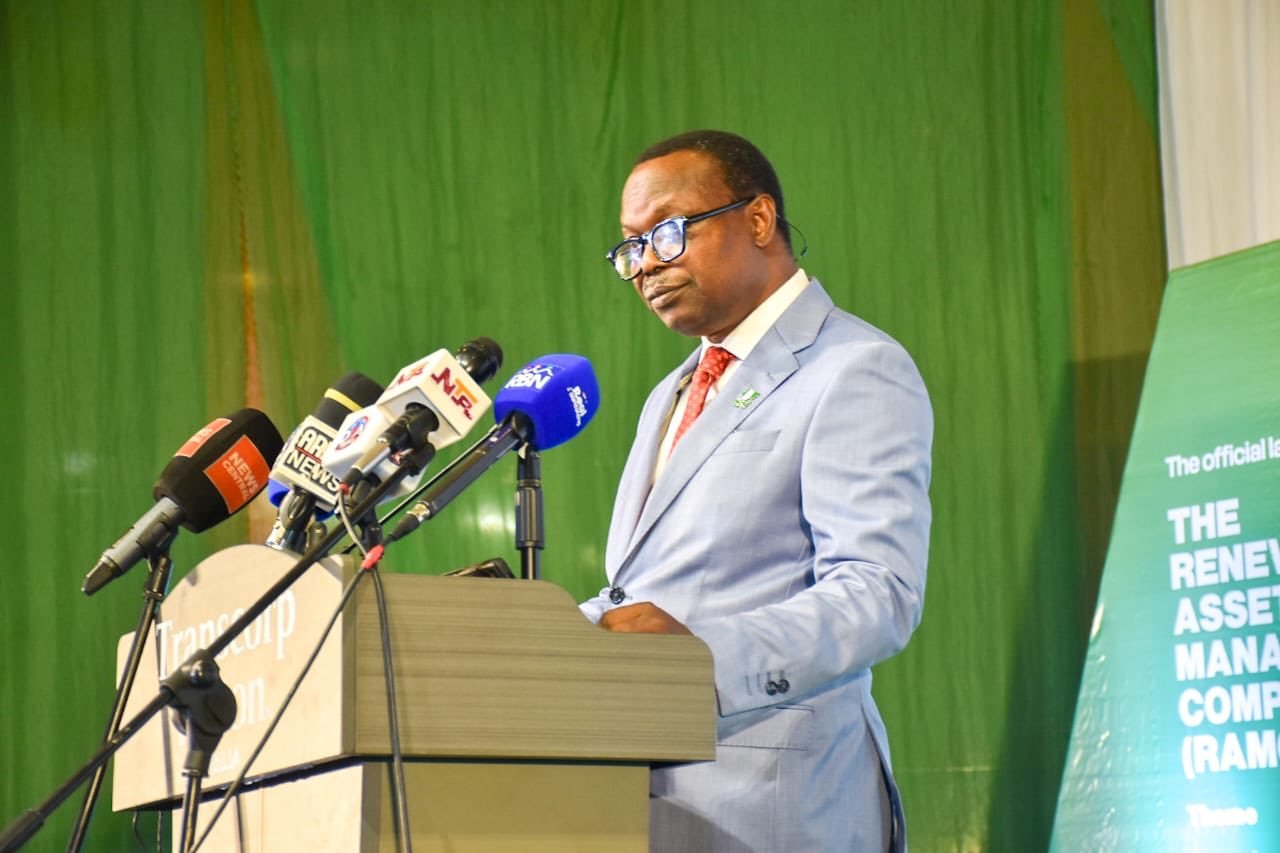
The Minister of State for Health and Social Welfare, Iziaq Adekunle Salako, has called for stronger accountability in medical practice and sustained investment in healthcare infrastructure, including reliable electricity for health facilities, speaking at separate engagements with the Nigerian Medical Association and the launch of the REA RAMCO initiative in Abuja. Addressing the NMA’s National Executive Council meeting themed Transforming Practice in Nigeria, Salako cited an 84 per cent implementation score for compact indicators under the Nigeria Health Sector Renewal Investment Initiative, growth of the Basic Health Care Provision Fund from N131.5 billion in 2024 to N299 billion in 2026, and the recruitment of over 37,000 workers into federal tertiary hospitals since 2024, urging the medical profession to strengthen clinical governance and work with government through a joint mechanism against quackery. At the RAMCO launch, Salako described reliable electricity as a clinical input rather than an amenity, essential to vaccine cold chains, oxygen supply, operating theatres and neonatal care, pointing to solar hybrid systems already deployed to 100 health facilities under the Nigeria Electrification Project with a second phase targeting 400 Primary Health Care Centres. He linked RAMCO to the Nigeria Power for Health Initiative approved by President Tinubu, which targets steady power supply in at least 30 per cent of Nigeria’s health facilities by the end of 2027, calling for health facilities to be recognised as a distinct asset class within RAMCO’s portfolio going forward. By Asiwaju Adekunle Saheed

Continue Reading

RMAFC, NEITI Pledge Deeper Ties to Tighten Grip on Nigeria’s Extractive Revenue

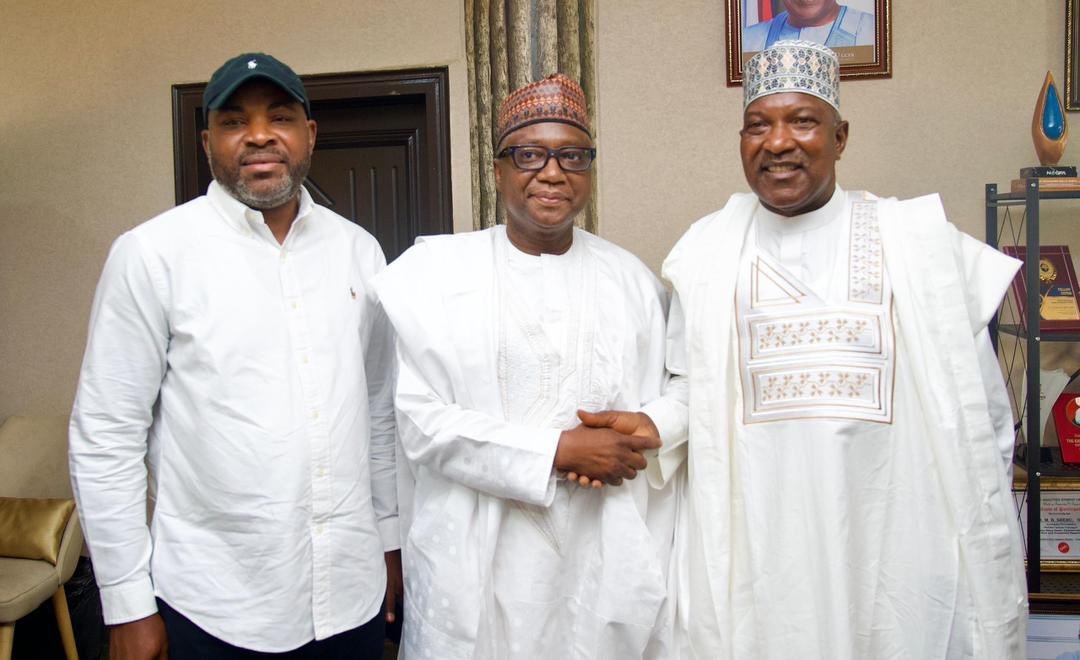
The Chairman of the Revenue Mobilisation, Allocation and Fiscal Commission, Dr Mohammed Bello Shehu, has called for greater collaboration between RMAFC and the Nigeria Extractive Industries Transparency Initiative to strengthen transparency and revenue mobilisation in Nigeria’s extractive industries, speaking when NEITI Executive Secretary Musa Sarki Adar paid him a courtesy visit in Abuja. Shehu described the relationship between both institutions as longstanding and strategic, commending NEITI for providing credible information on the operations and financial flows of the extractive sector that has strengthened public understanding and accountability in the management of Nigeria’s natural resources. He congratulated Adar on his appointment as Executive Secretary, describing it as well deserved and expressing confidence in his ability to lead NEITI to greater achievements, while assuring the organisation of RMAFC’s continued support in data sharing, research and revenue monitoring. In his remarks, Adar said the partnership between both institutions must now move to a higher level, highlighting RMAFC’s role in monitoring revenues accruing to the Federation Account and noting that NEITI’s independent reconciliation of financial and physical flows provides valuable data on payments, production and company activities across oil, gas and mining. He said NEITI’s reports could support RMAFC’s work in revenue verification, policy analysis and measures to improve mobilisation, pointing to Nigeria’s participation in the ongoing 2026 Extractive Industries Transparency Initiative implementation as an opportunity to demonstrate measurable progress in strengthening governance across the sector. By Asiwaju Adekunle Saheed

Continue Reading

Nigeria’s Capital Market Wins Back Frontier Market Status After Three Year Exile

The Federal Ministry of Finance has welcomed confirmation by global index provider FTSE Russell that Nigeria’s capital market will be reclassified from Unclassified to Frontier Market status, effective from the open of trading on Monday, September 21, 2026. The reclassification marks Nigeria’s return to the global Frontier Market universe nearly three years after its exclusion in September 2023, when persistent difficulties in capital repatriation and foreign exchange execution had made the market inaccessible to international investors. The Ministry said the decision follows sustained improvements in foreign exchange liquidity, capital repatriation and market accessibility, reflecting the cumulative impact of the Federal Government’s macroeconomic and structural reform programme, describing it as an important validation of Nigeria’s reform trajectory and a foundation for the next phase of capital market development. It commended the Securities and Exchange Commission, the Central Bank of Nigeria, the Nigerian Exchange Group, the Central Securities Clearing System and other capital market stakeholders for their coordinated efforts spanning regulatory reform, market infrastructure modernisation and investor engagement. Looking ahead, government reaffirmed its commitment to deepening liquidity, broadening participation and strengthening investor protections, with the medium term goal of positioning Nigeria for progression to Emerging Market status. By Asiwaju Adekunle Saheed

Continue Reading

Cheaper Fuel, Cheaper Fares: Tinubu, Governors Strike Deal to Cut Transport Costs From October

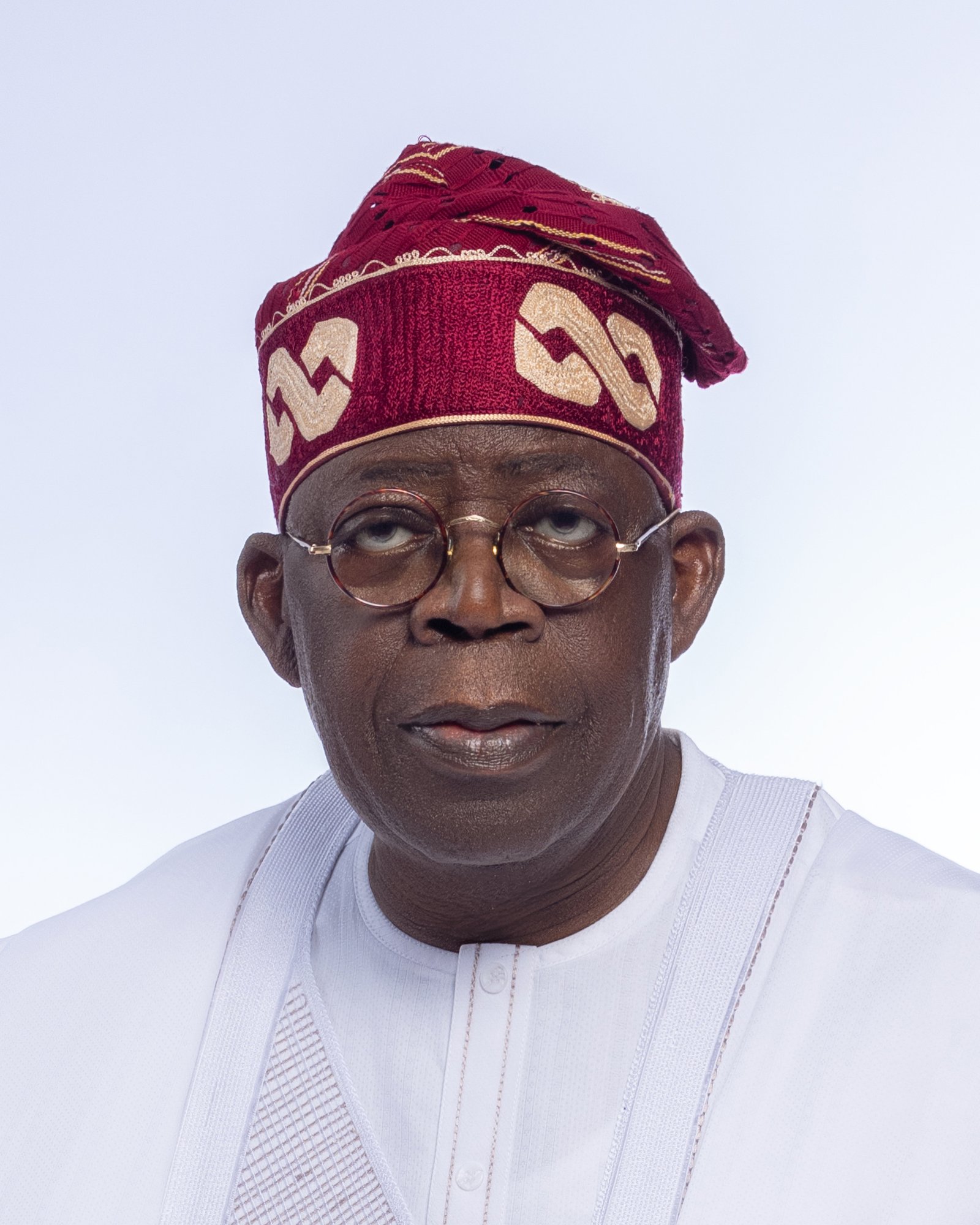
President Bola Ahmed Tinubu has announced that state governors have resolved, on their own initiative, to bring down the cost of transportation nationwide by leaning on the cost advantages of CNG and electric vehicles, with a target of lower transport fares taking effect from October 1, 2026. The President said the Federal Government has already converted over 120,000 vehicles nationwide through the Presidential CNG Initiative, with more than 100,000 additional conversion kits in the pipeline, while continuing to expand conversion centres and refuelling infrastructure across the country. Through the Midstream and Downstream Gas Infrastructure Fund, government is currently financing more than 100 gas projects nationwide, including 15 CNG mother stations and 86 daughter stations, with four projects already commissioned in Lagos, Abuja and Owerri in May, among them a 15 station refuelling network in Lagos and an Abuja facility able to serve 1,000 cars and tricycles and 50 trucks and buses daily. Tinubu said he has directed the rollout of another 500 CNG refuelling stations nationwide, in addition to 500 ordered earlier in the year, bringing the total programme to 1,000 stations across the country, noting that a vehicle running on CNG spends 60 to 80 per cent less on fuel than one running on petrol. The President said a joint Federal and State committee will begin implementing the fare reduction measures immediately, stressing that intra state transport is where Nigerians feel fuel costs most directly and where states hold the greatest leverage to pass on the savings. By Asiwaju Adekunle Saheed

Continue Reading

Tinubu to NLNG: Stop Burning Money, Bring the Gas Home

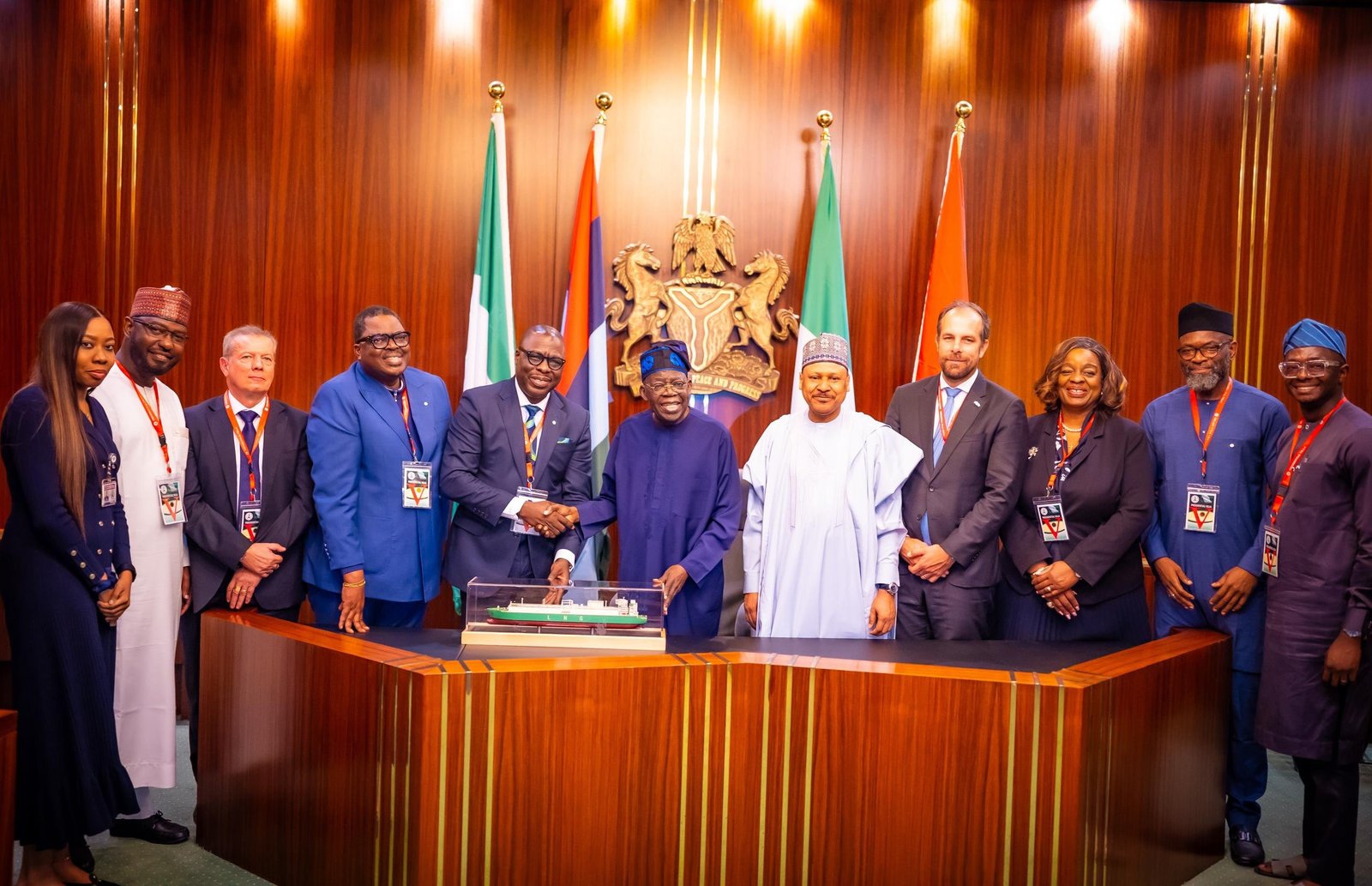
President Bola Ahmed Tinubu has urged the management of Nigeria Liquefied Natural Gas to maximise the benefits Nigeria derives from its gas reserves rather than allowing them to be flared, speaking when he received the NLNG Board led by Managing Director Adeleye Falade at the State House. Tinubu pressed the team to focus on domestic utilisation, converting the environmental liability of gas flaring into strategic and economic benefit for Nigerian consumers, while commending the company for growing its capacity and delivering strong returns on investment. Falade told the President that NLNG has generated over $150 billion since inception, with shareholders including Nigeria, which holds a 49 per cent stake, receiving about $47 billion in dividends. He said the company had been operating at roughly 60 per cent capacity due to constraints in domestic crude production, using only four of six trains, but improved oil output has pushed capacity to five trains, with all LPG production now concentrated on the domestic market. Falade said NLNG is keen to inaugurate Train Seven, which would boost capacity by 35 per cent, and noted that shareholders have praised the stability of Nigeria’s fiscal environment for attracting fresh investment. He also informed the President that construction of the Bonny Bodo Road and Bridge project, financed by NLNG, has been completed and awaits official commissioning. Tinubu assured the team he would do whatever is within his power to incentivise the company to expand its potential for the benefit of Nigerians, stressing that oil and gas assets mean nothing unless they are brought up to service the economy and the ordinary citizen. By Asiwaju Adekunle Saheed

Continue Reading

N28.1 Billion in a Day: Apapa Customs Smashes Its Own Revenue Record

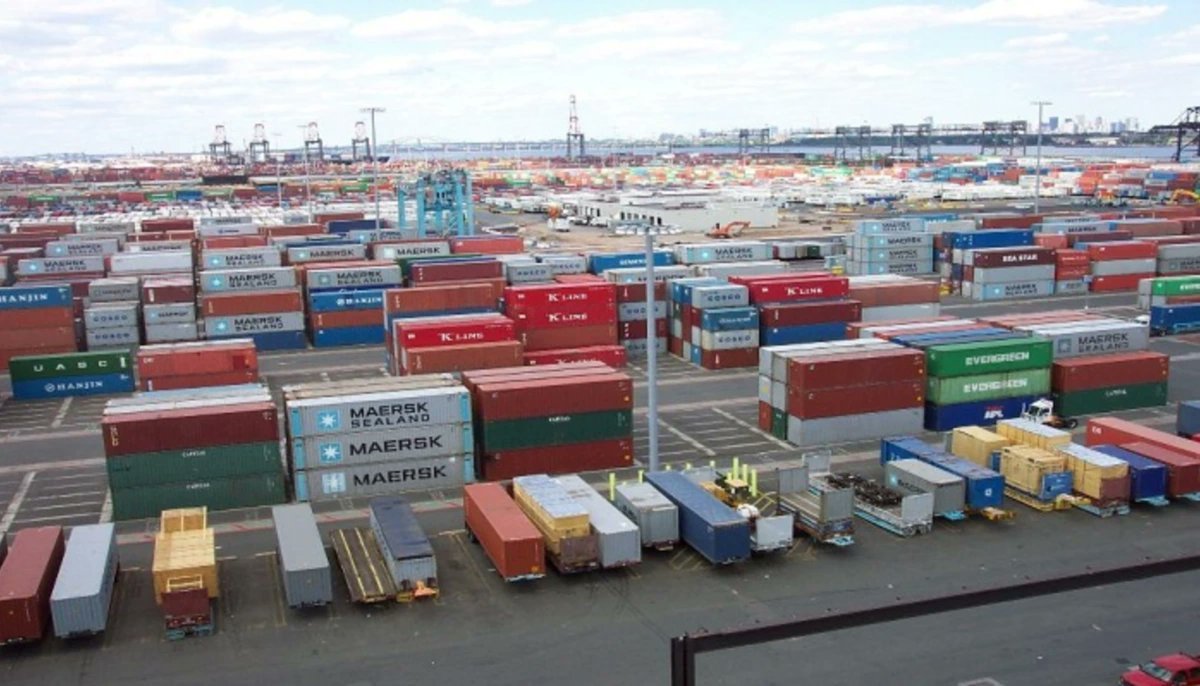
The Nigeria Customs Service, Apapa Area Command, has recorded N28.1 billion in revenue in a single day on August 18, 2026, setting a new benchmark for the command. The figure marks the highest single day collection ever posted by the Apapa command, one of the country’s busiest ports for import and export activity. The record haul comes amid ongoing efforts by Customs to boost non oil revenue and tighten collection at Nigeria’s major trade corridors. Apapa remains a critical gateway for the country’s container traffic, and the milestone underscores the volume of trade still passing through the port despite congestion challenges that have long dogged the terminal. The Service has not yet disclosed what specifically drove the spike, though analysts often link single day surges to bulk clearances or the settlement of accumulated duty backlogs. By Asiwaju Adekunle Saheed

Continue Reading