
Tinubu to NLNG: Stop Burning Money, Bring the Gas Home

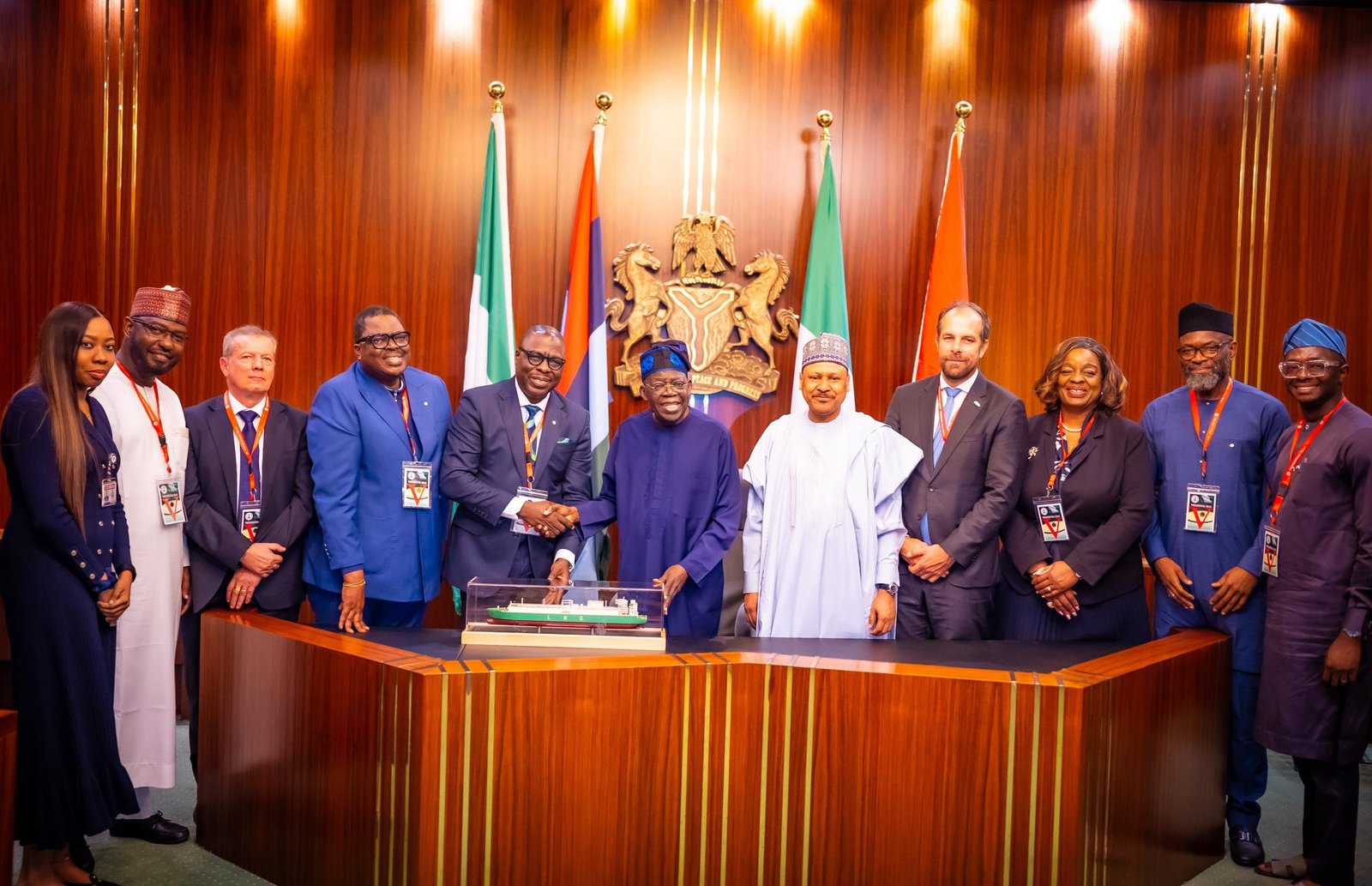
President Bola Ahmed Tinubu has urged the management of Nigeria Liquefied Natural Gas to maximise the benefits Nigeria derives from its gas reserves rather than allowing them to be flared, speaking when he received the NLNG Board led by Managing Director Adeleye Falade at the State House. Tinubu pressed the team to focus on domestic utilisation, converting the environmental liability of gas flaring into strategic and economic benefit for Nigerian consumers, while commending the company for growing its capacity and delivering strong returns on investment. Falade told the President that NLNG has generated over $150 billion since inception, with shareholders including Nigeria, which holds a 49 per cent stake, receiving about $47 billion in dividends. He said the company had been operating at roughly 60 per cent capacity due to constraints in domestic crude production, using only four of six trains, but improved oil output has pushed capacity to five trains, with all LPG production now concentrated on the domestic market. Falade said NLNG is keen to inaugurate Train Seven, which would boost capacity by 35 per cent, and noted that shareholders have praised the stability of Nigeria’s fiscal environment for attracting fresh investment. He also informed the President that construction of the Bonny Bodo Road and Bridge project, financed by NLNG, has been completed and awaits official commissioning. Tinubu assured the team he would do whatever is within his power to incentivise the company to expand its potential for the benefit of Nigerians, stressing that oil and gas assets mean nothing unless they are brought up to service the economy and the ordinary citizen. By Asiwaju Adekunle Saheed

Continue Reading
N28.1 Billion in a Day: Apapa Customs Smashes Its Own Revenue Record

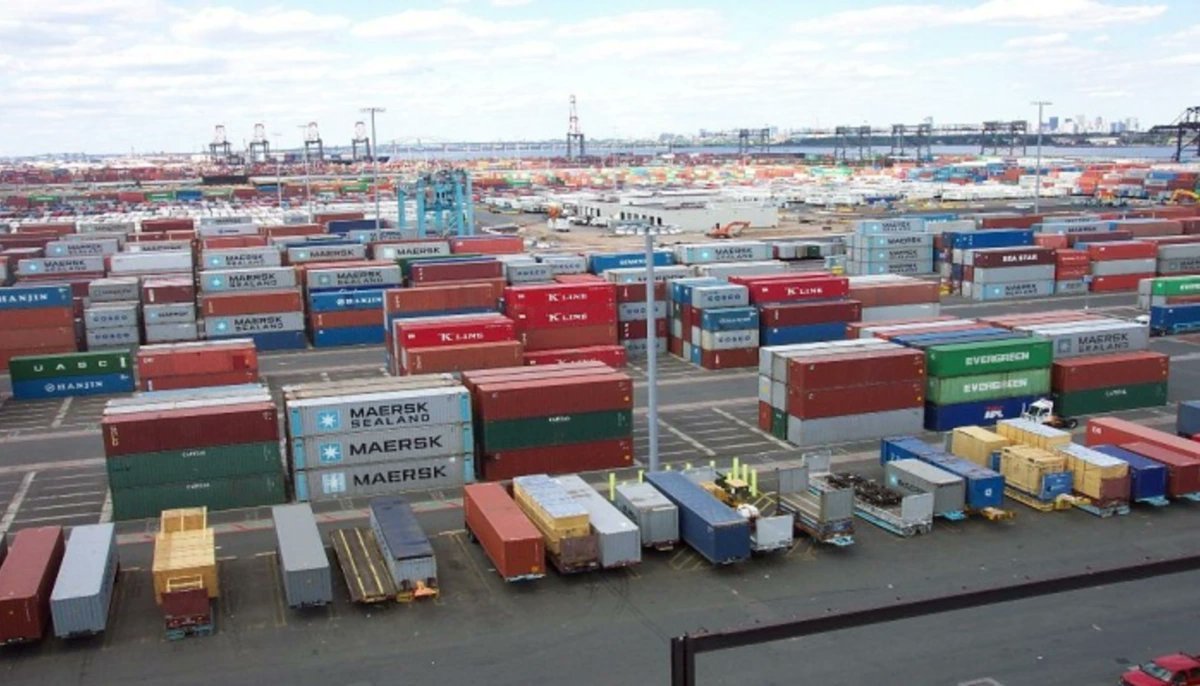
The Nigeria Customs Service, Apapa Area Command, has recorded N28.1 billion in revenue in a single day on August 18, 2026, setting a new benchmark for the command. The figure marks the highest single day collection ever posted by the Apapa command, one of the country’s busiest ports for import and export activity. The record haul comes amid ongoing efforts by Customs to boost non oil revenue and tighten collection at Nigeria’s major trade corridors. Apapa remains a critical gateway for the country’s container traffic, and the milestone underscores the volume of trade still passing through the port despite congestion challenges that have long dogged the terminal. The Service has not yet disclosed what specifically drove the spike, though analysts often link single day surges to bulk clearances or the settlement of accumulated duty backlogs. By Asiwaju Adekunle Saheed

Continue Reading
Silent Superbugs: Pharmacists Sound Alarm as Nigeria’s Drug Resistance Crisis Deepens

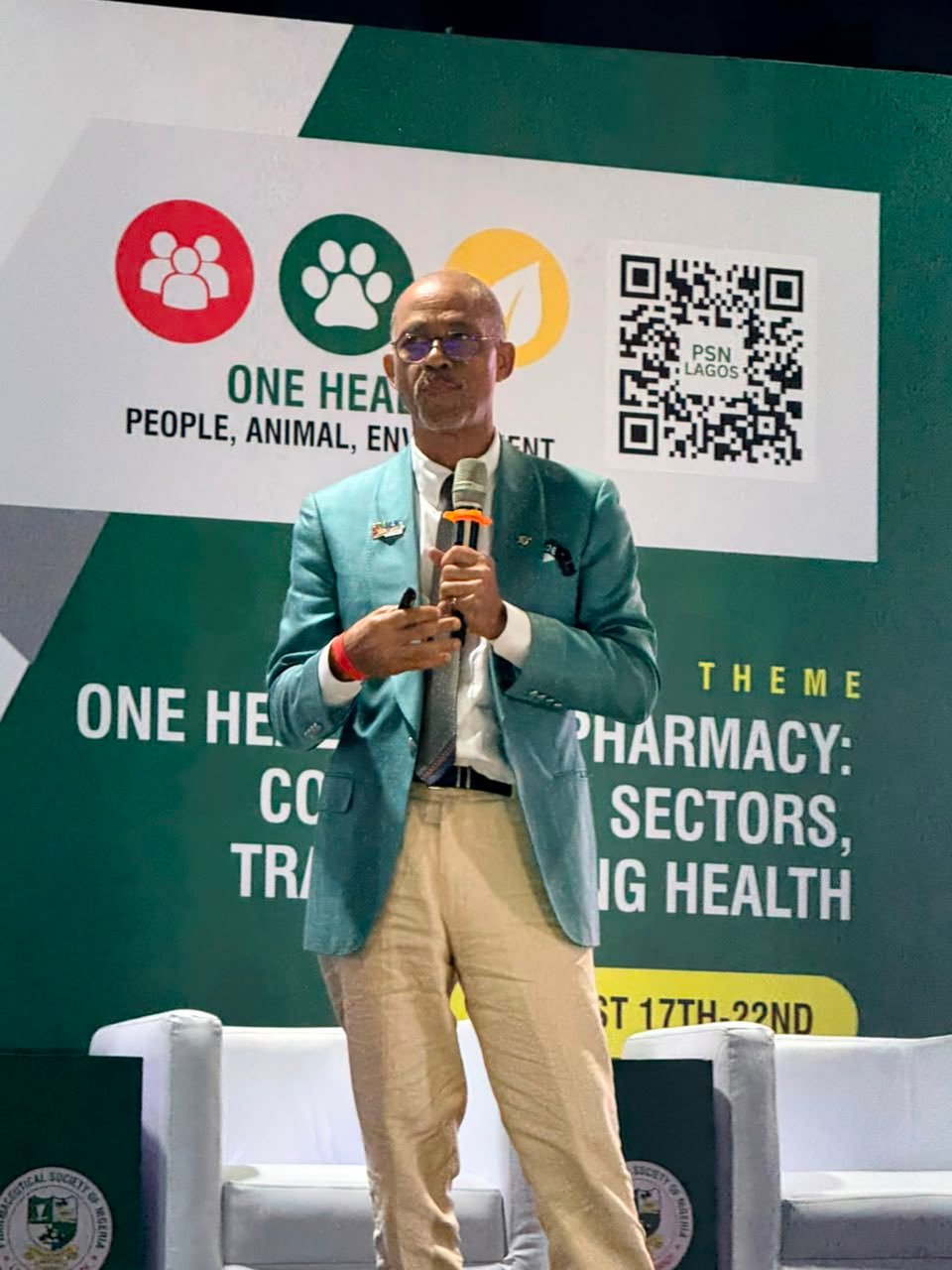
A senior voice in Nigeria’s pharmaceutical sector has warned that antimicrobial resistance is becoming one of the biggest threats to human and planetary health, cautioning that every unnecessary or incorrect use of antibiotics and antimalarials gives microorganisms another chance to outsmart the medicines meant to kill them. Speaking at the Pharmaceutical Society of Nigeria, Lagos State Branch Pharmacy Week 2026, the expert flagged a dangerous pattern where patients self-diagnose malaria and buy antimalarials from vendors without proper testing, instead of going through a qualified healthcare provider for diagnosis and treatment. The message was blunt, government alone cannot solve this. Clinicians were urged to prescribe responsibly and carry out proper diagnostic work before treatment, while pharmacists and drug vendors were told to stop dispensing antibiotics without prescriptions or antimalarials without a confirmed positive test, with a call for Lagos State to formally adopt the Nigeria National Prescription and Dispensing Policy. Farmers and animal husbandry practitioners were also urged to use antimicrobials responsibly and observe proper withdrawal periods before animals reach the market, while the public was told to stop self-medicating with antibiotics or demanding them without medical advice. The appeal to the pharmacy profession was clear, map the pharmaceutical ecosystem to give the Ministry of Health accurate workforce data, strengthen referral pathways to clinical services, and help close the door on unrestricted access to prescription only medicines before Nigeria’s antibiotics lose their power for good. By Asiwaju Adekunle Saheed

Continue Reading

BOI’s N250bn Bond Sells Out in Five Days, Bank Credits Tinubu’s Backing

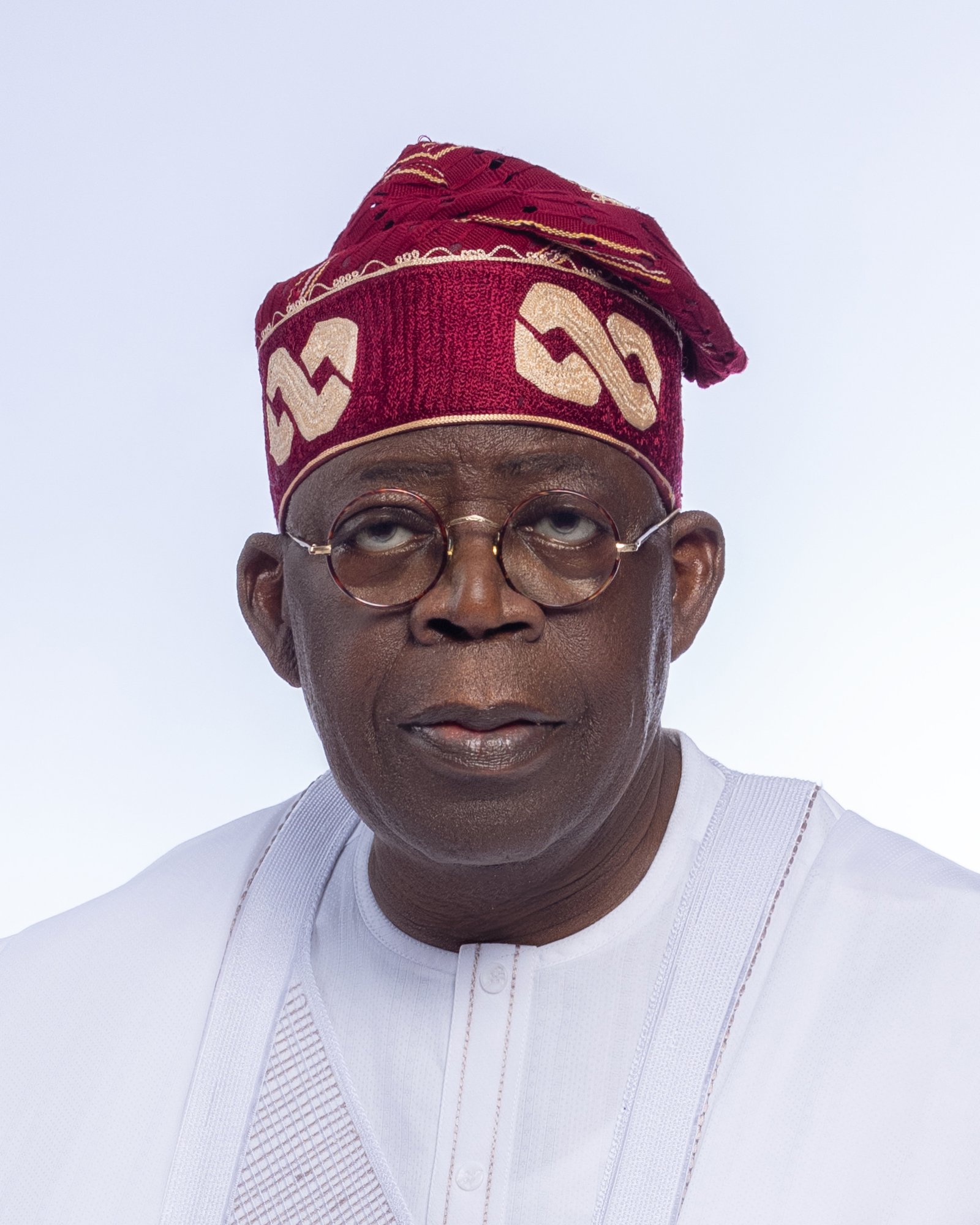
The Bank of Industry has credited President Bola Ahmed Tinubu’s support after its N250 billion Series 1 Fixed Rate Bond was oversubscribed within five working days, issued through BOI Financing SPV Plc under the bank’s one-billion-dollar Multi Currency Instruments Programme. BOI Chief Executive Officer Olasupo Olusi said the strong response reflects investor confidence not just in the bank but in Nigeria’s domestic capital market’s ability to mobilise long term capital for productive investment. He credited President Tinubu’s executive approval of investor incentives as central to attracting demand within such a short window. Olusi said the goal of the transaction is to convert investor confidence into increased financing for Nigerian businesses, supporting job creation and a healthier economy. He added that a separate N100 billion fund approved by the President for BOI would help cushion the bond’s pricing and ease the burden of high interest rates on manufacturers and other bank customers. The bank said the transaction broadens its funding base, adding deeper domestic capital mobilisation to its existing track record in international capital markets, though final subscription and allotment figures remain undisclosed pending Securities and Exchange Commission approval. Proceeds from the issuance will strengthen BOI’s capacity to provide long term financing across priority sectors, supporting local value addition, employment and economic diversification, with the bank describing the milestone as further proof of Nigeria’s growing capacity to fund development at scale. By Asiwaju Adekunle Saheed

Continue Reading