Nigeria Begins Local Manufacture Of Next Generation Mosquito Nets Built To Beat Resistance

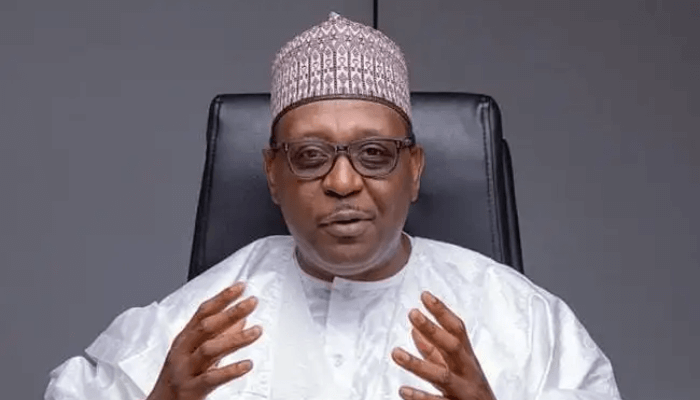
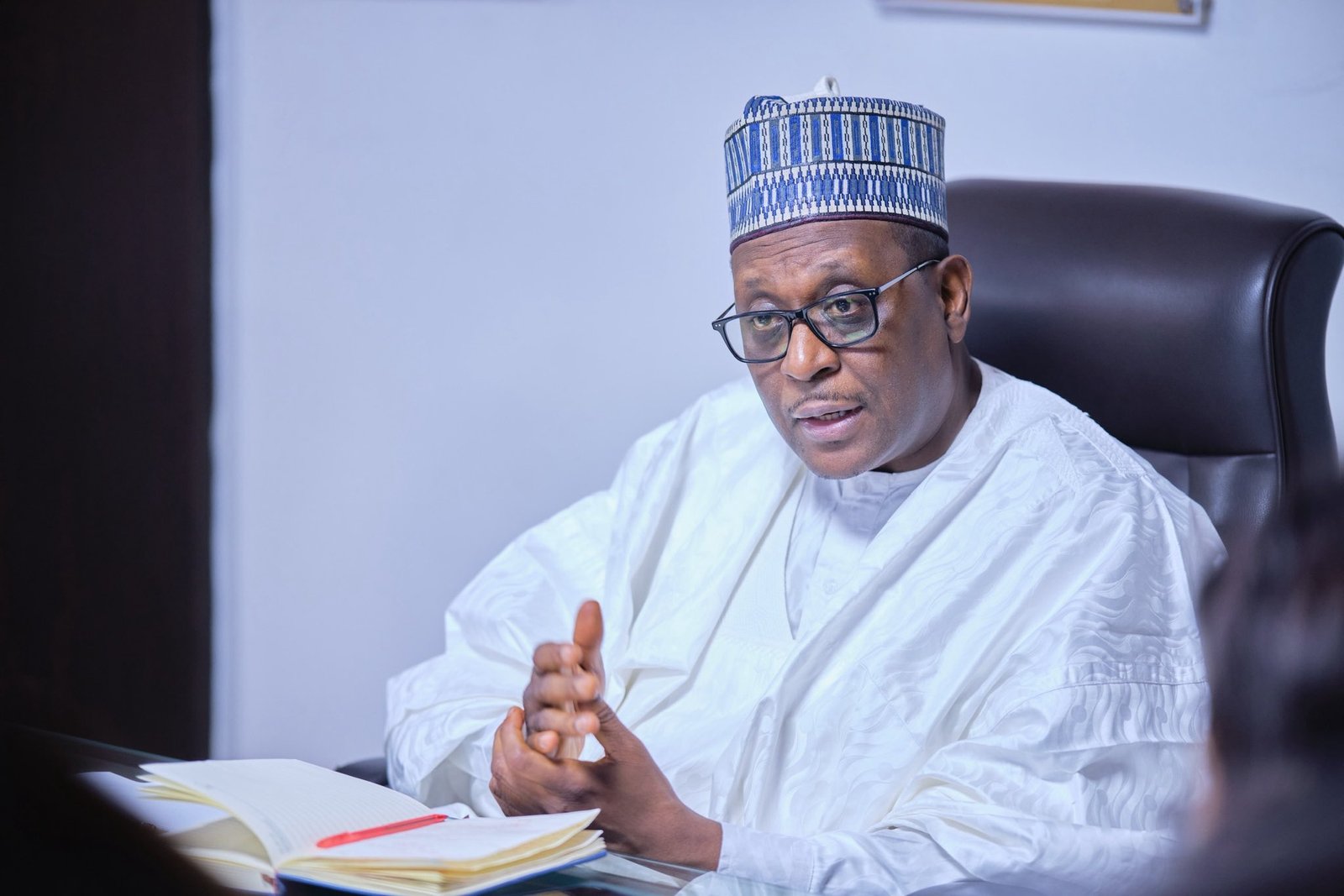
By Asiwaju Adekunle Saheed Nigeria has commenced local production of next generation dual active ingredient insecticide treated mosquito nets, marking a significant step in strengthening malaria prevention and domestic manufacturing of essential health products. The Coordinating Minister of Health and Social Welfare, Professor Muhammad Ali Pate, said the development aligns with the Nigeria Health Sector Renewal Investment Initiative and its focus on unlocking the healthcare value chain through investment, local production and stronger domestic capacity. The new facility, Health Textiles Nigeria FZE, wholly owned by Vestergaard Sàrl, is the first in Nigeria to manufacture dual active ingredient insecticide treated nets, producing PermaNet Dual, a net designed to address growing insecticide resistance and prequalified by the World Health Organisation in 2023. At full scale, the facility is expected to produce approximately 10 million nets annually and create more than 600 jobs, with about 80 employees already recruited and undergoing training in manufacturing excellence, product quality and regulatory compliance. The establishment of Health Textiles Nigeria follows a 2024 Memorandum of Understanding between Vestergaard and the Presidential Initiative for Unlocking the Healthcare Value Chain to strengthen local production capacity for essential health products. Pate described the commencement of production as an important step in Nigeria’s fight against malaria, stressing that the investment demonstrates what is possible when government policy, private sector investment and technology transfer come together. Vestergaard Chief Executive Officer, Amar Ali, said the company was pleased to commence production in Nigeria, noting that the facility brings the company’s manufacturing expertise together with Nigerian talent to produce the nets locally. The development comes as Nigeria continues to bear a substantial share of the global malaria burden, with the World Health Organisation estimating that malaria caused 282 million cases and 610,000 deaths globally in 2024, with the African Region accounting for the overwhelming majority. With production now underway, Health Textiles Nigeria is expected to fulfil its first commercial orders in the coming months, expanding Nigeria’s capacity to produce a critical malaria prevention commodity locally.

Continue Reading
IGP Brings Back MOPOL In Renewed Push Against Kidnapping And Banditry

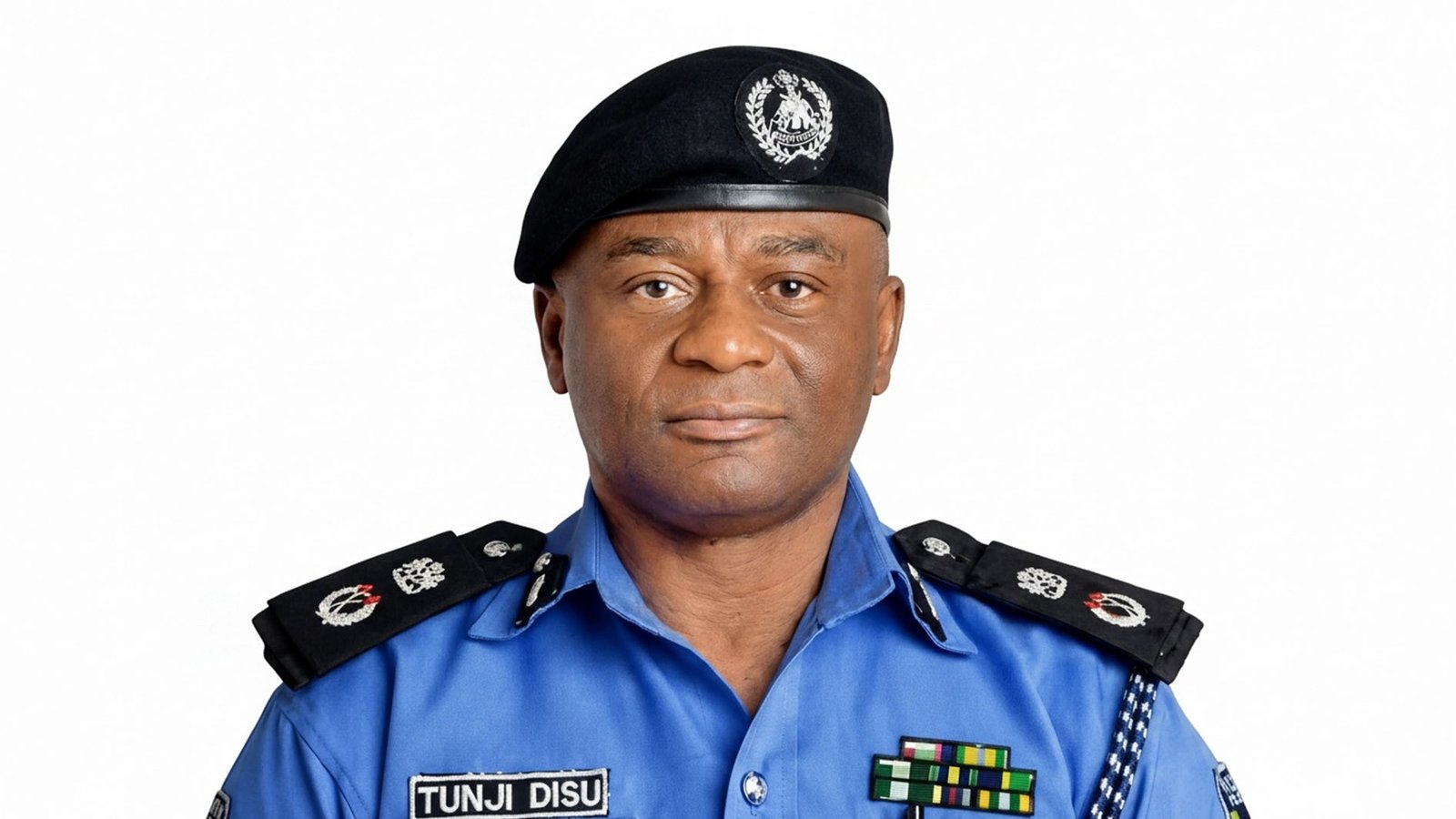
By Asiwaju Adekunle Saheed The Inspector General of Police has announced the revival and repositioning of the Police Mobile Force, popularly known as MOPOL, as part of renewed efforts to combat kidnapping, banditry, insurgency and other violent crimes across the country. The initiative is aimed at strengthening the operational readiness of the specialised police unit and enhancing its capacity to respond swiftly to emerging security threats nationwide. Police leadership said the move would improve rapid response operations, intelligence driven policing and the overall fight against organised criminal networks operating in various parts of the country. Speaking during a training programme for Mobile Police instructors, the IGP stressed the critical role of MOPOL in tackling insecurity, noting that the unit possesses the specialised training and tactical capabilities required to confront banditry and insurgency head on. He urged officers to build on their expertise and contribute meaningfully to ongoing efforts to restore peace across affected communities in the country. The police disclosed that ongoing reforms and retraining exercises are designed to ensure Mobile Police squadrons remain well equipped, properly led and fully prepared for deployment in security operations nationwide. The development forms part of broader measures by security agencies to address persistent security challenges and improve the protection of lives and property across Nigeria.

Continue Reading

UN Votes To Retire Centuries Old Map That Made Africa Look Small, Only The US Says No

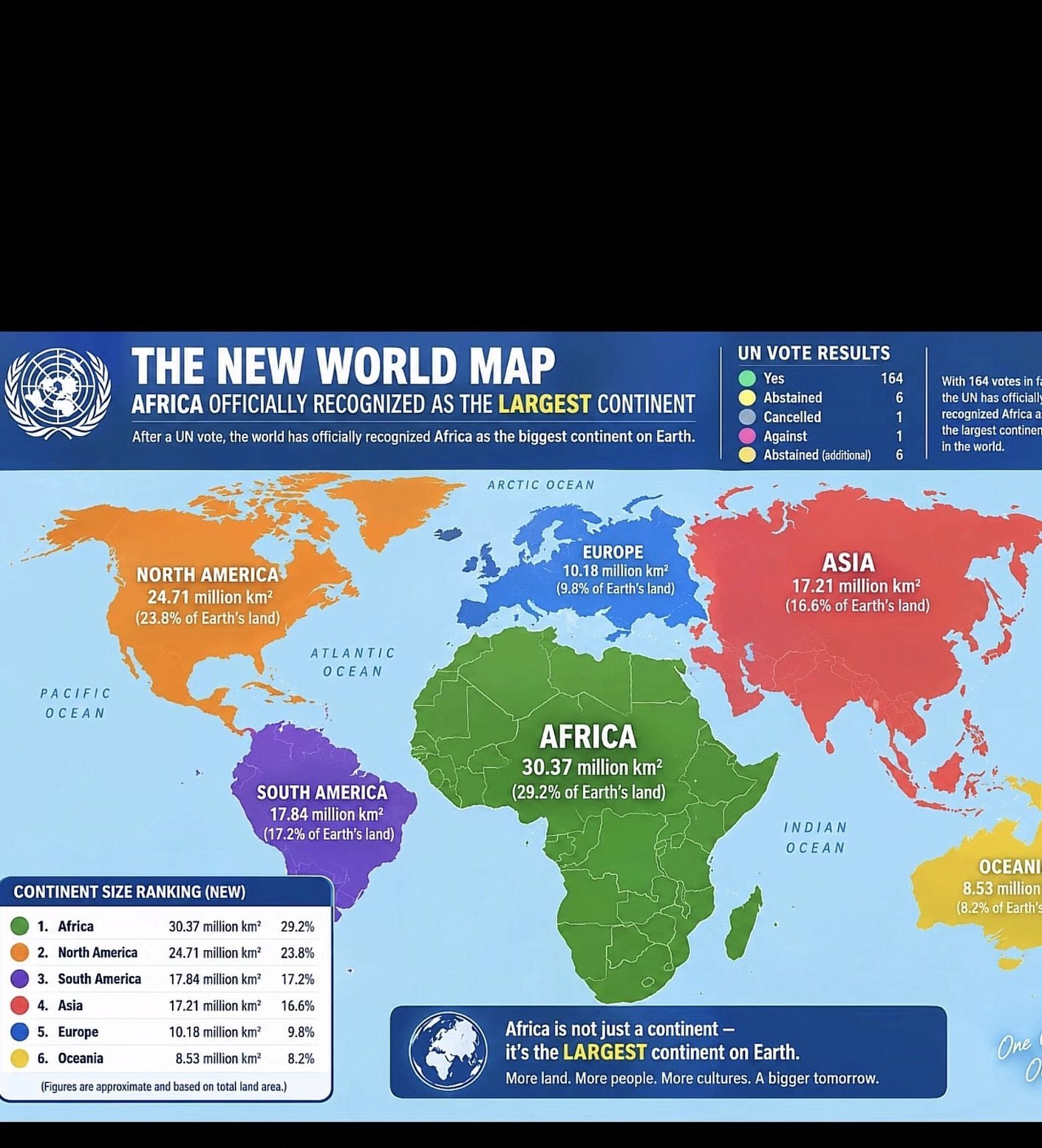
By Asiwaju Adekunle Saheed The United Nations General Assembly has voted to endorse a new world map that more accurately reflects Africa’s true size, in a resolution led by Togo and backed by African Union member states, marking the end of a campaign that had been building since 2025. The resolution, known as the Correct The Map initiative, passed by 164 votes in favour, with only the United States voting against it and six countries, Serbia, Estonia, Georgia, Lithuania, Moldova and Ukraine, abstaining from the vote. The measure encourages governments, schools and institutions worldwide to move away from the 16th century Mercator projection, which visually shrinks Africa and enlarges regions near the poles such as Greenland and North America, in favour of the 2018 Equal Earth projection that reflects continents in their true proportions. Togo’s Foreign Minister, Robert Dussey, told the General Assembly that maps shape how people understand the world, guiding education and influencing collective perceptions, and stressed that the effort was not meant to condemn the Mercator projection but to correct centuries of visual distortion. France, which co-sponsored the resolution, announced it would abandon the Mercator projection in its own materials, with French Foreign Minister Jean Noël Barrot noting that the United States, Russia and China had long taken on a disproportionate visual prominence compared to Africa, Latin America and Southeast Asia. The United States, however, dismissed the resolution as part of a broader ideological project, with its representative arguing that such initiatives distract the United Nations from more pressing matters of international peace and security. The resolution is non-binding and does not ban the Mercator projection outright, but advocates say its passage marks a symbolic turning point, one campaigners hope will eventually reshape classroom materials and digital maps across the world

Continue Reading

Beyond Ribbon Cuttings: FG Launches RAMCO to Keep the Lights On for Good

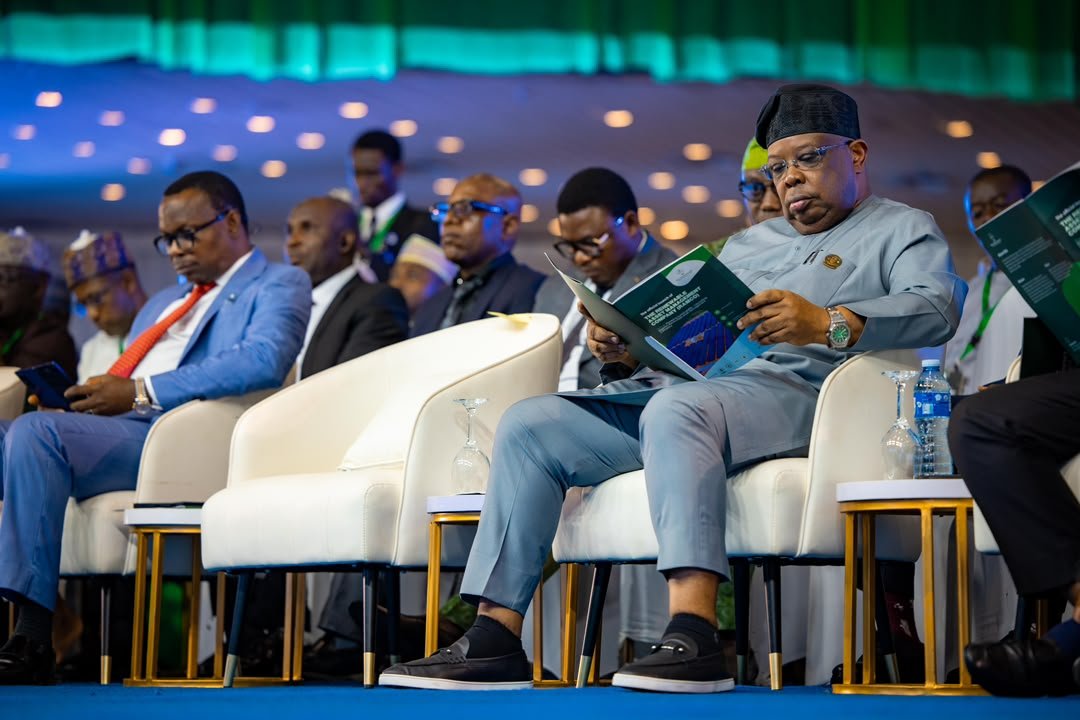
The Federal Government has launched the Renewable Asset Management Company in Abuja, a new institution built to professionalise how Nigeria manages its power infrastructure and end the pattern of energy assets declining in performance shortly after commissioning. Announcing the launch, officials said the country has too often measured success by ribbon cuttings alone, with RAMCO designed to shift that culture toward stewardship, governance discipline and measurable performance, protecting existing infrastructure and ensuring every naira invested in energy projects produces sustained service for Nigerians. The government said its ambition extends beyond simply ending darkness, framing electricity as a tool for building prosperity, making Nigeria competitive for manufacturing, powering the next generation of digital infrastructure, supporting hospitals, modernising agriculture and expanding opportunity in rural communities. Officials credited the leadership of President Bola Ahmed Tinubu and the collaboration of partners including the Ministry of Finance Incorporated, Infracorp and the Rural Electrification Agency for making the launch possible, positioning RAMCO as the custodian responsible for maintaining solar hybrid and other power installations across the country going forward. By Asiwaju Adekunle Saheed

Continue Reading

Robots in the Operating Room: Imo Marks First Robotic Surgery, Uzodimma Hails Medical Team

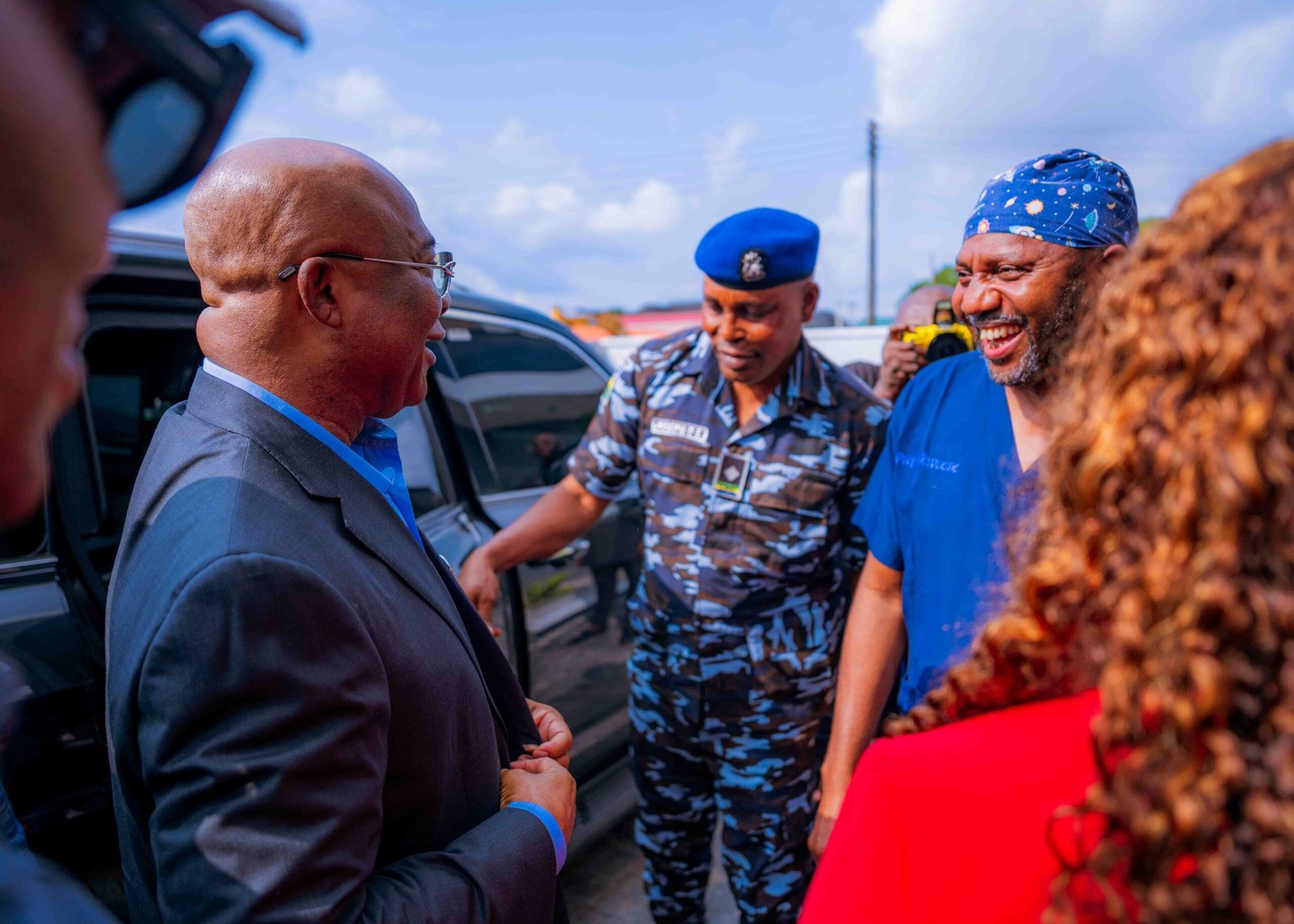
Imo State Governor Hope Uzodimma has commended the medical team behind the state’s first robotics assisted surgery, performed at the Robotics Center of Imo Specialist Hospital, Umuguma, describing their professionalism and dedication as key to the achievement. Uzodimma called the milestone a record the state is determined not to lose, pledging to build on the success by expanding quality medical services to other areas in need across Imo. He renewed his call for residents who have not yet subscribed to the Imo State Health Insurance Scheme to sign up and take advantage of affordable healthcare services available at facilities throughout the state. The achievement adds to a growing list of health sector milestones the Uzodimma administration has pointed to as evidence of improving medical infrastructure in Imo State. By Asiwaju Adekunle Saheed

Continue Reading

Saraki Still in Tinubu’s Corner, Says Kwara Senator Who Just Quit APC

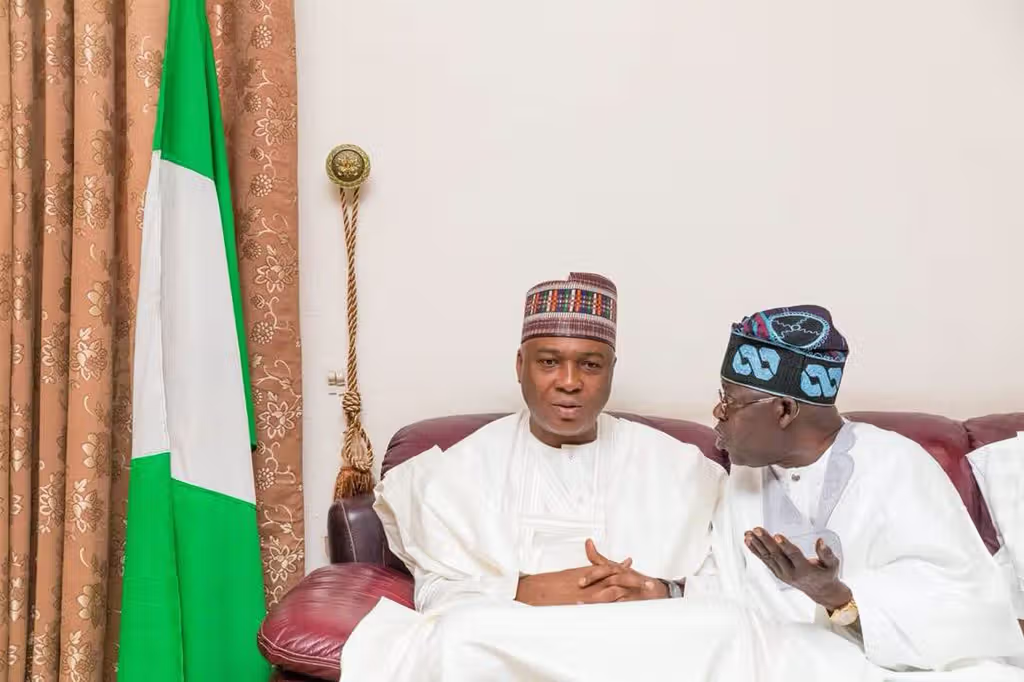
Senator Saliu Mustapha, representing Kwara Central, says former Senate President Bukola Saraki is backing the rainbow coalition assembled by Nyesom Wike in support of President Bola Tinubu’s second term bid, even as Mustapha himself has defected from the APC to the PDP. Speaking on Channels Television’s Politics Today, Mustapha said his exit from the ruling party does not mean he has abandoned Tinubu’s reelection cause, describing the rainbow coalition established by FCT Minister Wike in Rivers State as having extended its reach into Kwara. He said Saraki, who is not contesting for any office this cycle, is similarly supporting the coalition working to strengthen Tinubu’s chances, aligning himself with the FCT Minister’s stated position despite being in a different party. Mustapha linked his defection to a group called The Otoge Progressives, which he said emerged from a coalition of governorship aspirants who lost the APC primary and later felt alienated by how Governor Abdulrahman Abdulrazaq is running the party in Kwara, naming Yahaya Seriki, Ibrahim Oloriegbe, Dele Belgore and others as members. He confirmed picking up the PDP senatorial nomination form for Kwara Central shortly after quitting the APC, securing the ticket through substitution rather than a primary following a waiver from the party. By Asiwaju Adekunle Saheed

Continue Reading

N540bn Bet on Better Healthcare: FEC Greenlights National Hospital Overhaul, New Cancer Centre

The Federal Executive Council has approved infrastructure projects worth roughly N540 billion to transform the National Hospital, Abuja into a quaternary healthcare institution and to build a new national cancer treatment centre. Health Minister Ali Pate announced the breakdown, which includes N18.74 million to refit the hospital’s administrative block, N64.92 billion for modular clinics and a theatre complex, and N103 billion for a new hospital wing expected to be completed within 24 months. A further N69 billion has been earmarked for a Neuroscience Institute covering neurosurgery, radiology and rehabilitation, while the largest chunk, N302.3 billion, will fund a new National Institute for Cancer Research and Treatment facility over 36 months. Pate said the National Hospital, established about 25 years ago, had fallen short of its original vision due to years of underinvestment, and framed the new projects as part of President Tinubu’s directive to strengthen healthcare infrastructure nationwide. He clarified that funding for the projects comes through National Assembly appropriations already reflected in the 2025 and 2026 budgets rather than direct allocation from the ministry. Pate described quality healthcare as requiring sustained investment, saying the administration’s goal is visible transformation at both the National Hospital and the new cancer centre. The approval marks one of the biggest single healthcare infrastructure commitments announced by the Federal Government this year. By Asiwaju Adekunle Saheed

Continue Reading

Nigeria’s Hajj Goes Digital as NITDA, NAHCON Seal Tech Alliance

The National Information Technology Development Agency and the National Hajj Commission of Nigeria have agreed to fully digitise the country’s Hajj operations, promising pilgrims a smoother, technology driven journey from the point of savings to the return home. The partnership was sealed at a meeting held at NITDA’s Abuja headquarters this week. Leading the NAHCON delegation, Chairman Ambassador Ismail Yusuf Abbas asked NITDA for technical expertise, training and guidance to upgrade the commission’s operational framework. He noted that while Saudi Arabia is racing toward full digital integration by 2030, Nigeria still grapples with bottlenecks in hybrid registration, payment verification, flight manifest management and pilgrim tracking. Abbas pointed to existing tools such as electronic registration, automated manifests, medical tracking and the GPS enabled Hajj Companions mobile app, but admitted the commission’s technical capacity remains thin, with only two developers currently on staff. He stressed the need to train and better deploy NAHCON’s existing ICT personnel. NITDA Director General Kashifu Inuwa Abdullahi welcomed the initiative, saying true digital transformation demands more than software. He called for systems that outlast individual administrations, break down data silos and lean on artificial intelligence for smarter decisions, insisting a modern framework should offer full visibility across the entire Hajj journey. Inuwa pledged technical assistance, hands on training and strict IT project clearance to guard against the pitfalls that often derail public sector technology projects. Both agencies agreed to formalise a working relationship going forward. The collaboration signals growing pressure on Nigerian public institutions to match the pace of digital reform being pushed by host nation Saudi Arabia ahead of the 2030 deadline. By Asiwaju Adekunle Saheed

Continue Reading