
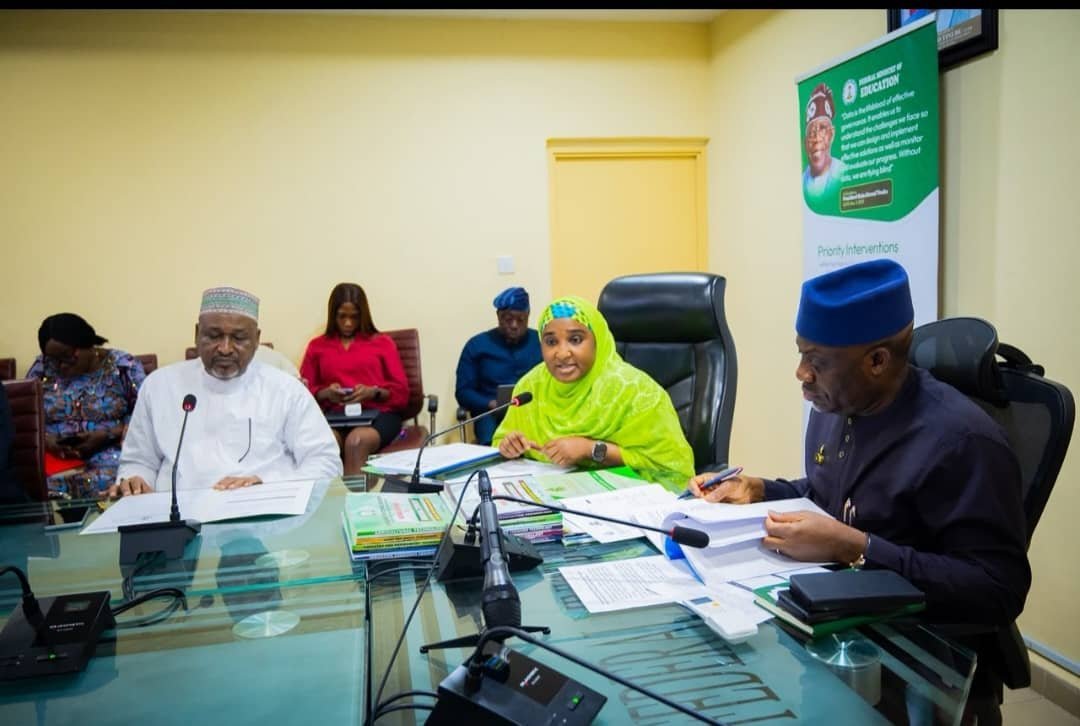
Fixing the Skills Gap: Alausa Launches Overhaul of Nigeria’s Technical Education Board
Nigeria’s technical and vocational education system is buckling under outdated curricula and thin funding, with more than 55 per cent of assessed programmes described as no longer fit for purpose even as 93 per cent of the workforce operates in informal employment and roughly 12 per cent of young people sit outside education, jobs or training altogether. Against that backdrop, the Minister of Education, Dr Maruf Tunji Alausa, has begun repositioning the Monotechnic and Technical Education Board, known as MBTE, to strengthen its ability to supervise and coordinate polytechnics, monotechnics and other technical institutions across the country. A KPMG led assessment is currently underway to pinpoint institutional gaps and design a functional organisational structure and operational framework for the agency, part of a broader push to turn MBTE into what Alausa calls a fit for purpose body capable of driving practical skills, industry relevance, employability and productivity. Alausa said polytechnic education sits at the heart of the wider TVET ecosystem, pointing to an ongoing curriculum review backed by one billion naira from TETFund that has already produced 27 new National Occupational Standards and revised four existing ones, taking the total to 31. The standards are meant to map out a clearer skills pathway running from artisan level training through National Certificate, OND and HND programmes. KPMG Partner and Head of Tax, Regulatory and People Services, Adewale Ajayi, noted that despite the system’s structural troubles, Nigeria still performs strongly on graduate employability, ranking second only to Singapore among the markets assessed. The reform effort signals growing pressure on Abuja to align technical education with the realities of an economy where formal jobs remain scarce and youth unemployment continues to weigh on national development. By Asiwaju Adekunle Saheed
Continue Reading