
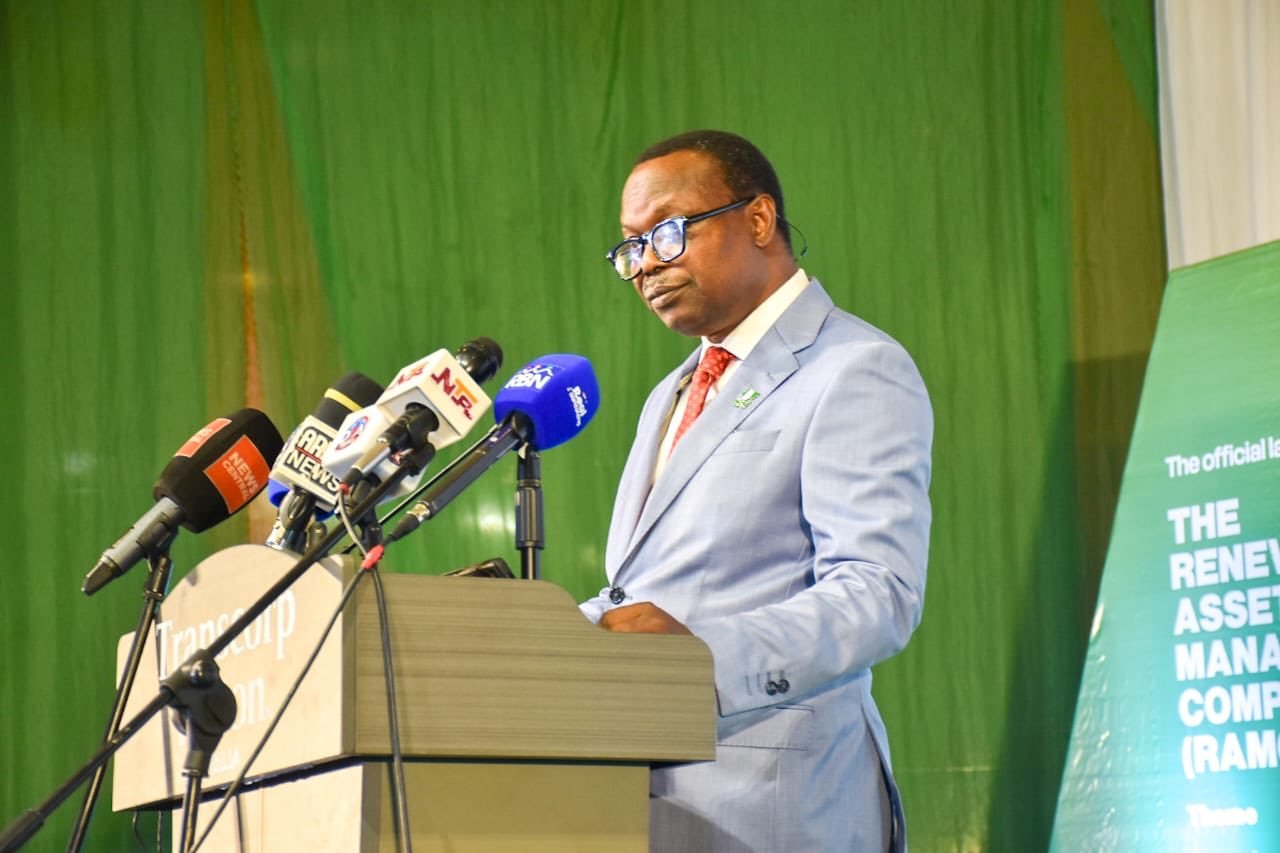
Power Is Medicine Too, Says Health Minister as RAMCO Targets Hospitals

The Minister of State for Health and Social Welfare, Iziaq Adekunle Salako, has called for stronger accountability in medical practice and sustained investment in healthcare infrastructure, including reliable electricity for health facilities, speaking at separate engagements with the Nigerian Medical Association and the launch of the REA RAMCO initiative in Abuja. Addressing the NMA’s National Executive Council meeting themed Transforming Practice in Nigeria, Salako cited an 84 per cent implementation score for compact indicators under the Nigeria Health Sector Renewal Investment Initiative, growth of the Basic Health Care Provision Fund from N131.5 billion in 2024 to N299 billion in 2026, and the recruitment of over 37,000 workers into federal tertiary hospitals since 2024, urging the medical profession to strengthen clinical governance and work with government through a joint mechanism against quackery. At the RAMCO launch, Salako described reliable electricity as a clinical input rather than an amenity, essential to vaccine cold chains, oxygen supply, operating theatres and neonatal care, pointing to solar hybrid systems already deployed to 100 health facilities under the Nigeria Electrification Project with a second phase targeting 400 Primary Health Care Centres. He linked RAMCO to the Nigeria Power for Health Initiative approved by President Tinubu, which targets steady power supply in at least 30 per cent of Nigeria’s health facilities by the end of 2027, calling for health facilities to be recognised as a distinct asset class within RAMCO’s portfolio going forward. By Asiwaju Adekunle Saheed

Continue Reading
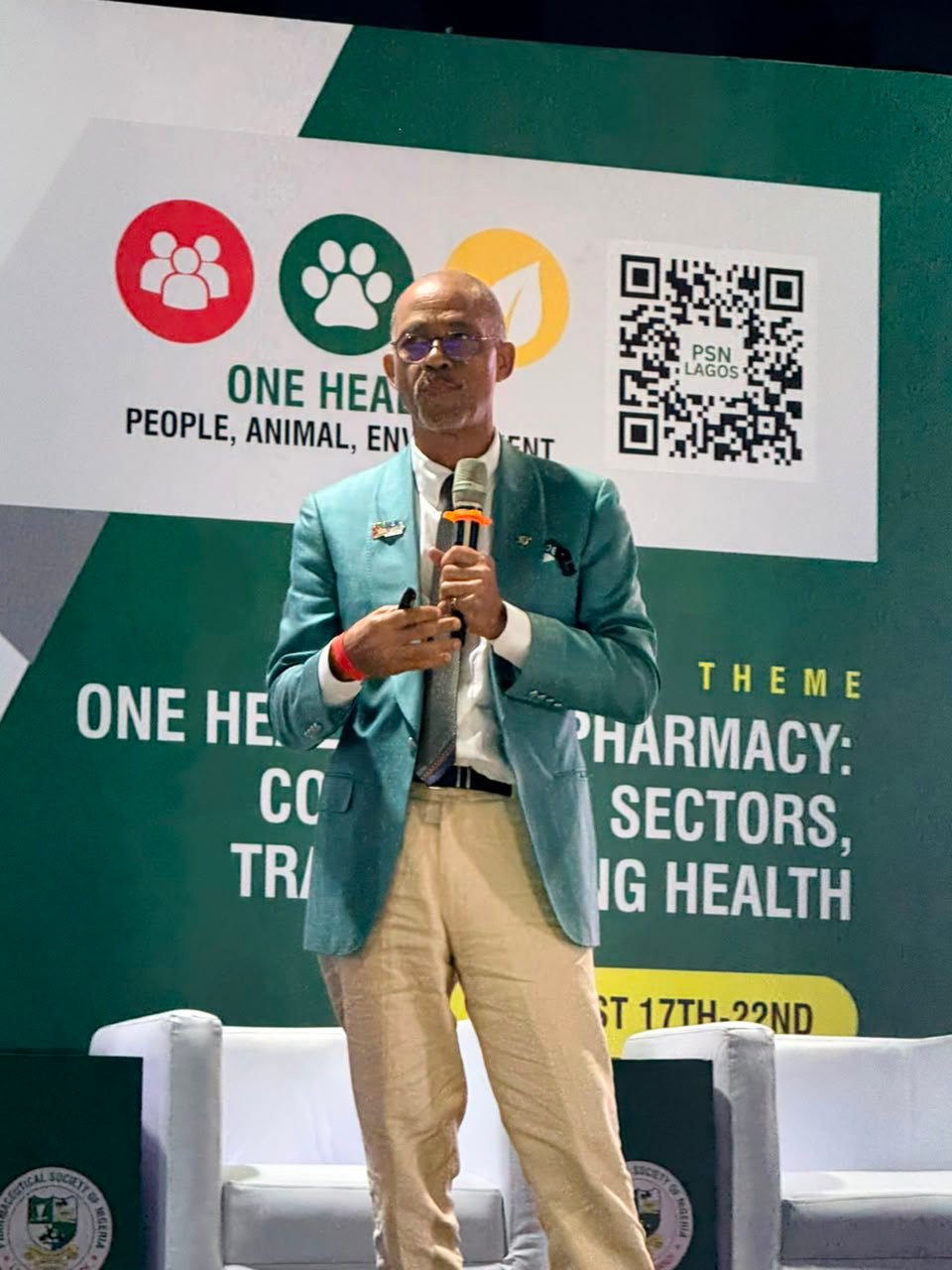
Silent Superbugs: Pharmacists Sound Alarm as Nigeria’s Drug Resistance Crisis Deepens

A senior voice in Nigeria’s pharmaceutical sector has warned that antimicrobial resistance is becoming one of the biggest threats to human and planetary health, cautioning that every unnecessary or incorrect use of antibiotics and antimalarials gives microorganisms another chance to outsmart the medicines meant to kill them. Speaking at the Pharmaceutical Society of Nigeria, Lagos State Branch Pharmacy Week 2026, the expert flagged a dangerous pattern where patients self-diagnose malaria and buy antimalarials from vendors without proper testing, instead of going through a qualified healthcare provider for diagnosis and treatment. The message was blunt, government alone cannot solve this. Clinicians were urged to prescribe responsibly and carry out proper diagnostic work before treatment, while pharmacists and drug vendors were told to stop dispensing antibiotics without prescriptions or antimalarials without a confirmed positive test, with a call for Lagos State to formally adopt the Nigeria National Prescription and Dispensing Policy. Farmers and animal husbandry practitioners were also urged to use antimicrobials responsibly and observe proper withdrawal periods before animals reach the market, while the public was told to stop self-medicating with antibiotics or demanding them without medical advice. The appeal to the pharmacy profession was clear, map the pharmaceutical ecosystem to give the Ministry of Health accurate workforce data, strengthen referral pathways to clinical services, and help close the door on unrestricted access to prescription only medicines before Nigeria’s antibiotics lose their power for good. By Asiwaju Adekunle Saheed

Continue Reading