
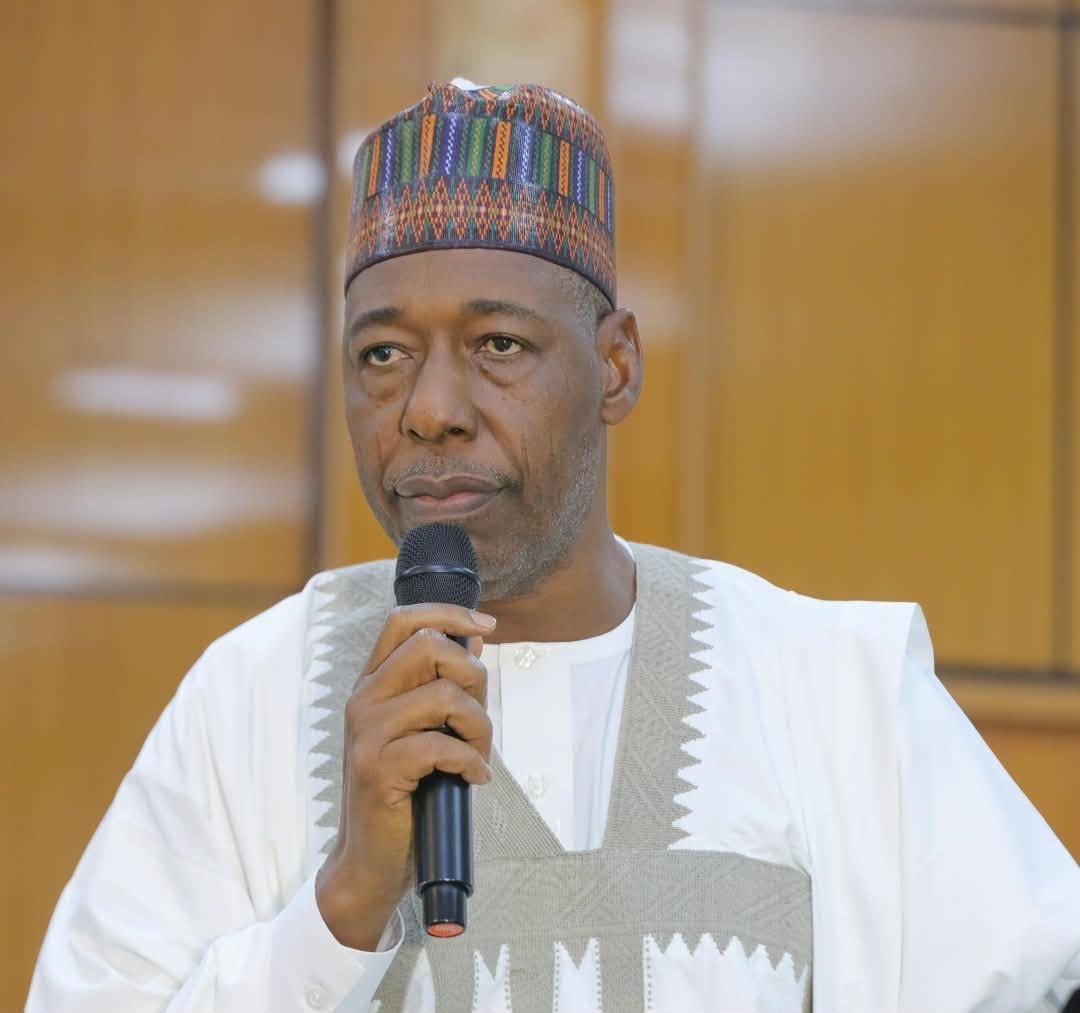
Zulum Rolls Out N1.05 Billion Empowerment Package For Borno Youths And Persons With Disabilities
Borno State Governor Professor Babagana Umara Zulum has launched a N1.05 billion empowerment programme for seven groups in Maiduguri Metropolitan and Jere Local Government Areas, continuing his administration’s support for vulnerable residents Launching the programme at the State Hotels, Maiduguri, Zulum said the intervention forms part of continued efforts to support youths, women and persons with disabilities as the state recovers from years of conflict. The governor stressed his commitment to providing more job opportunities to young people, describing every young person in the state as his son and pledging to ensure they prosper and become productive members of society. Beneficiaries of the programme include clubs and associations, persons with physical disabilities, persons with hearing and visual impairment, persons affected by leprosy, and various youth groups across the two local government areas. Zulum promised a larger empowerment programme for women, youths and other entrepreneurs by the end of the month, describing the current launch as one in a continuing series of interventions for vulnerable groups. Commissioner for Youth, Sports and Economic Empowerment, Hon Saina Buba, thanked the governor for the numerous empowerment programmes provided for youths and vulnerable groups, noting that the initiatives had greatly improved beneficiaries’ lives. Present at the occasion were the APC governorship candidate, Engr Mustapha Gubio, the member representing Marte, Monguno and Nganzai Federal Constituency, Engr Bukar Talba, and members of the Borno State House of Assembly. Also in attendance were the Acting Chief of Staff to the Governor, Dr Babagana Mustapha Malumbe, state commissioners and other dignitaries who witnessed the launch of the latest empowerment initiative. The programme adds to a growing list of interventions by the Zulum administration aimed at economic recovery and inclusion for the state’s most vulnerable populations. By Asiwaju Adekunle Saheed
Continue Reading