
West Africa Gathers In Abidjan To Chart New Path On Water Governance

The 13th Ordinary Session of the Technical Experts Committee of the Permanent Framework for Coordination and Monitoring of Integrated Water Resources Management opened in Abidjan, Côte d’Ivoire, bringing together representatives of all ECOWAS member states, regional institutions and civil society. The session was convened to assess progress in regional water governance and formulate recommendations for the 6th Ordinary Session of the Ministerial Monitoring Committee, ahead of the First West Africa Regional Water Forum scheduled for later in the week. The forum, themed Valuing Water To Transform West Africa, is designed to strengthen transboundary water cooperation, accelerate implementation of regional water policies and mobilise sustainable financing across the region. The session was opened by Conservateur Général Elvire Joëlle Zouzou épouse Mailly on behalf of Côte d’Ivoire’s Minister of Water and Forests, Jacques Assahoré Konan, marking the formal start of the preparatory engagements in Abidjan. Speaking for ECOWAS, UEMOA and CILSS, Director of the ECOWAS Water Resources Management Centre, Kouassi Kouakou Alexis, underscored the strategic importance of integrated water resources management for regional integration and resilience. The meeting is being chaired by Senegal through Dr Bacary Fatty, while President of the Sub Regional Consultative Council on Water Resources, Dr Boluwaji Onobolu, called for stronger participation of civil society, women and youth in the process. The recommendations adopted by the experts will be submitted to the Ministerial Monitoring Committee and subsequently discussed during the regional forum, the first of its kind for West Africa. The forum is expected to bring together ministers, technical experts and development partners to define the next phase of West Africa’s water governance agenda in the coming years. Officials say the outcome of the Abidjan talks will be central to shaping how the region tackles shared water resource challenges going forward. By Asiwaju Adekunle Saheed

Continue Reading
Tinubu Rallies Africa To Stop Exporting Its Mineral Wealth And Start Owning It

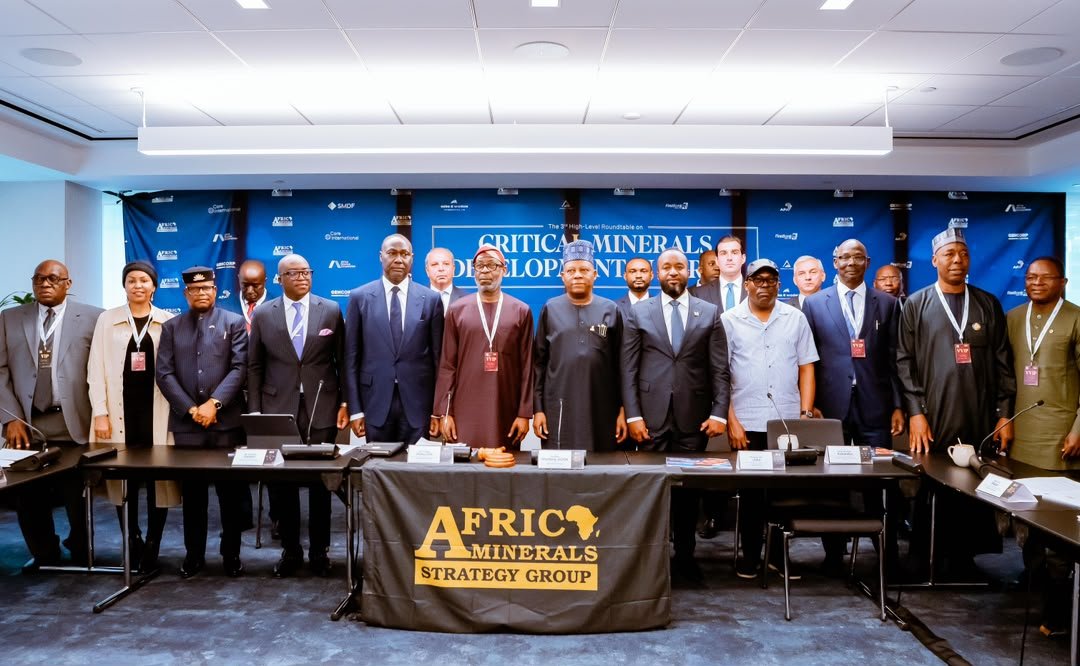
President Bola Ahmed Tinubu has called for a fresh continental push to end the historical exploitation of Africa’s critical mineral resources, urging African nations to unite and halt the export of raw materials without local processing. The Nigerian leader made the call in New York during the AMSG High Level Roundtable on Critical Minerals Development in Africa, held on the sidelines of the 81st Session of the UN General Assembly and chaired by Tinubu alongside Vice President Kashim Shettima and Minister of Solid Minerals, Dele Alake. In his address, delivered by Shettima, the President told African leaders that the continent cannot claim to be wealthy while its children wallow in poverty amid mines that enrich the world, insisting that Africa’s duty is to ensure the future being fashioned from its minerals has room for African ambition. He regretted that mineral rich communities lack infrastructure and jobs at a time when global demand for clean energy and advanced manufacturing has made Africa’s cobalt, copper, lithium and rare earth elements indispensable to global supply chains. Tinubu warned that no African country can achieve transformation alone, insisting that fragmentation leaves the continent exporting raw materials and buying finished goods at a premium, while cooperation would give African markets scale and negotiating authority. Back home, the President said Nigeria must require local value addition for new mining licenses, disclosing that mining revenue rose from about N6 billion in 2023 to between N68.1 billion and N70 billion in 2025, alongside major foreign investment commitments in Nasarawa State. He called for reliable partnerships grounded in mutual benefit and sovereign equality, urging AMSG member countries to speak with one voice to promote Africa’s collective interest in mineral negotiations. On the Continental Integration and Economic Assurance Declaration adopted at the Roundtable, the President said its authority must survive the signing ceremony through a binding programme with timelines, financing and public accountability. AMSG Chairman, Dele Alake, described the Declaration as a landmark framework for Africa’s mineral value chains, urging countries yet to join the group to do so, while Kenya’s Minister of Blue Economy, Hassan Ali Joho, stressed the importance of domestic resource mobilisation for the continent’s mineral ambitions. By Asiwaju Adekunle Saheed

Continue Reading
Shettima Briefed On Nigeria’s UNGA Priorities As Governors Pitch States For Investment

Vice President Kashim Shettima has received a comprehensive brief on Nigeria’s participation in the 81st United Nations General Assembly in New York, delivered by Minister of Foreign Affairs, Bianca Odumegwu Ojukwu, and Nigeria’s Permanent Representative to the UN, Jimoh Ibrahim. Speaking with journalists after the session, Senior Special Assistant on Media and Communications, Stanley Nkwocha, said Nigeria will build on its previous position at the global body, where it strongly canvassed for a holistic reform of the UN’s contributions to developing countries. He noted that when the session formally opens, the Vice President will present President Tinubu’s message across different sectors, including Nigeria’s push for a permanent seat on the UN Security Council. Ambassador Jimoh Ibrahim said the country’s participation would be anchored on deepening reforms at the global body to ensure significant impact on member states, among other strategic objectives for the session. On their expectations from the gathering, Nasarawa State Governor Abdullahi Sule and Kebbi State Governor Nasir Idris said they were seeking opportunities to open their states to global investments, particularly in solid minerals. The governors said the abundant mineral resources in their states placed them in a strong position to attract international investors and promote economic development at home. Rivers State Governor Siminalayi Fubara said he was attending the summit to explore global partnerships capable of attracting more investment to his state, expressing optimism that Rivers State’s oil and gas resources would draw meaningful engagement. The governors said their participation was aimed at leveraging the international platform to promote their states and create new economic opportunities for their people. Also present at the briefing were Governors AbdulRazaq AbdulRahman of Kwara and Babagana Zulum of Borno, alongside Ministers Dele Alake, Imaan Sulaiman Ibrahim and Doris Uzoka Anite. By Asiwaju Adekunle Saheed

Continue Reading
Power Minister Seals TBEA Deal In Beijing To Build Equipment Park In Nigeria

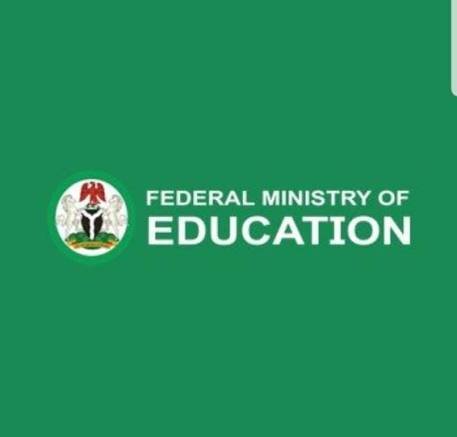
During a working visit to Beijing to engage original equipment manufacturers and technical partners of the Presidential Power Initiative, the Minister of Power met with TBEA, one of China’s leading power and energy equipment manufacturers, at their headquarters. The outcome of the engagement is a commitment to establish a power and energy equipment industrial park in Nigeria, a move officials say changes the country’s long standing status as a net importer of power sector equipment. Officials described the park as positioning Nigeria as a manufacturing and export hub, building indigenous supplier capacity and creating jobs, with TBEA regarded as a long term strategic development partner rather than a mere contractor. The Ministry said its investment thesis is clear, seeking capital that comes with technology transfer and local capacity building attached, rather than short term contracting arrangements. Alongside the new park, TBEA renewed its commitment to accelerate delivery of ongoing transmission and distribution projects across Nigeria, work expected to unlock over 2,000 megawatts of stranded capacity and strengthen bulk power supply to the Federal Capital Territory. The Minister used the engagement to press for faster completion of Presidential Power Initiative works and to advocate for extending planned grid infrastructure to the East West corridor. Discussions were also opened on the feasibility of electric vehicle charging infrastructure, a new investment frontier as Nigeria’s grid modernises around renewable energy and storage. Officials said the outcomes reflect a broader shift underway in Nigeria’s power sector, from importing equipment to building it, and from stranded capacity to power that reaches homes and industries. The goal, officials stressed, is a power sector capable of supporting Nigeria’s industrialisation and sustained economic growth in the years ahead. By Asiwaju Adekunle Saheed

Continue Reading
FME Disowns Group Claiming To Speak For All Federal Unity College Parents

The Federal Ministry of Education has clarified that the association operating under the name National Parent Teacher Association of the Federal Unity Colleges is not recognised or authorised by the Ministry and does not represent the individual PTAs in the 118 Federal Unity Colleges nationwide. The Ministry stated that the association has no mandate to speak on behalf of the colleges, their PTAs, parents or guardians, and that any statement, directive, appeal or communication issued by the group has no official standing. Consequently, the Ministry said such communications should be disregarded by the public, as they do not reflect the official position of the Federal Ministry of Education or the management of any Federal Unity College. Parents and guardians have been advised to rely exclusively on official communications from the Ministry and the management of their respective colleges on matters concerning schools, students and academic activities. The Honourable Minister of Education, Dr Maruf Tunji Alausa, urged parents and guardians to ensure that their children and wards are present in their respective Federal Unity Colleges, as the 2026/2027 academic session has commenced nationwide. The Minister reaffirmed the Ministry’s commitment to the effective administration of the Federal Unity Colleges and to providing students with a safe and supportive environment for learning throughout the academic session. The clarification comes amid growing concern within the Ministry over unauthorised bodies issuing statements that could mislead parents and disrupt the smooth running of the colleges. Officials say the Ministry will continue to monitor communications purportedly issued on behalf of the colleges and take further steps where necessary to protect the integrity of official channels. The Ministry reiterated its call for cooperation between parents, school management and government as the new academic session progresses across the country. By Asiwaju Adekunle Saheed

Continue Reading
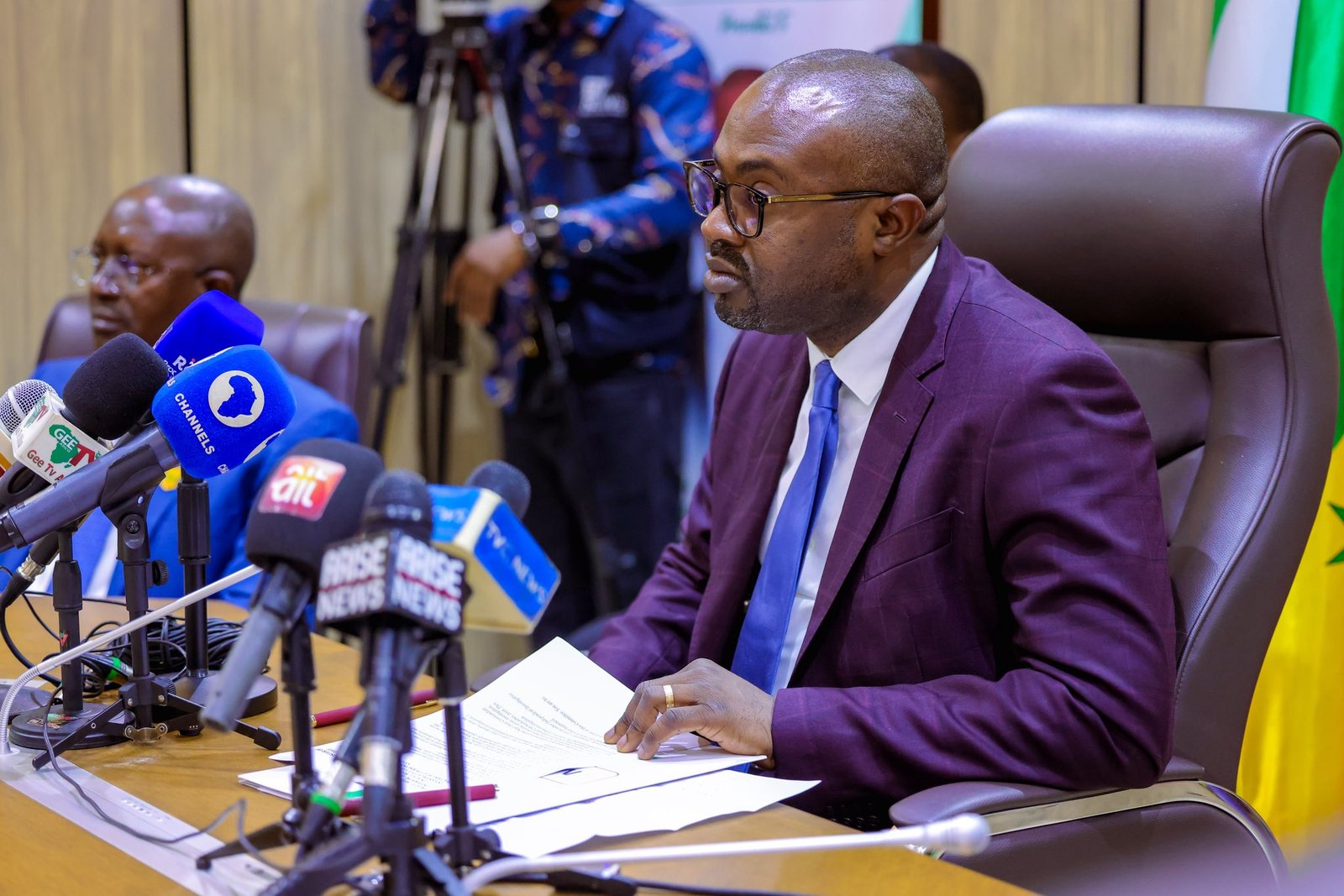
Olukoyede Tells Council Chairmen, Anti Corruption Fight Must Reach The Grassroots

The Executive Chairman of the Economic and Financial Crimes Commission, Ola Olukoyede, has assured local government council chairmen and traditional rulers across the country that anti corruption enforcement would penetrate the grassroots to bring development closer to the people. Speaking at the maiden Annual National Conference of Local Government Council Chairmen and Traditional Rulers Councils in Abuja, represented by Director of Public Affairs, Commander Wilson Uwujaren, Olukoyede said the Commission’s commitment to accountability does not stop at the federal level. He highlighted the conversion of recovered proceeds of crime into public investment, noting that the Federal Government had directed N50 billion each from recovered funds to NELFUND and CREDICORP, alongside the transformation of a forfeited university in Kaduna into the Federal University of Applied Sciences, Kachia. On national security, Olukoyede said economic crime and security threats could no longer be treated separately, disclosing that the Commission’s specialised enforcement portfolio had recorded 920 cases and 212 convictions across money laundering, terrorist financing and illegal mining. He recalled that between October 2023 and the period covered by the Commission’s recent stewardship account, the EFCC recorded recoveries exceeding N1.233 trillion, alongside significant sums in foreign currencies, with roughly two thirds of the naira recovered returned to affected institutions. Olukoyede stressed that recovery should not end with seizure, noting that approximately N661.32 billion and $492.37 million had been released to beneficiaries during the period under review, including individuals and government institutions. He said the Commission was strengthening its own internal standards, including new arrest and bail guidelines, urging that accountability become a living principle rather than a slogan across all tiers of government. Olukoyede linked Nigeria’s exit from the Financial Action Task Force grey list in October 2025 to sustained inter agency reforms in which the EFCC played a central role, describing the anti corruption fight as an instrument for economic growth and investor confidence. President Tinubu, represented by Secretary to the Government of the Federation, George Akume, told the chairmen that his administration has pursued national development with a belief that Nigeria cannot develop from the centre alone, stressing that development must take root from the bottom up. By Asiwaju Adekunle Saheed

Continue Reading

No Life Should Be Lost In State Custody, Says Minister As NSCDC Death Probe Begins

On behalf of President Bola Ahmed Tinubu, the Minister of Interior, Olubunmi Tunji Ojo, has inaugurated a 10 member Independent Investigative Committee to investigate the reported deaths of 37 persons in the custody of the Nigeria Security and Civil Defence Corps in Niger State. Extending condolences to the families of the deceased and the government and people of Niger State, the Minister said no life should be lost in the custody of the state, insisting that this is not what the Tinubu administration stands for. He disclosed that upon receiving the report, he took two immediate actions, ordering the suspension of the Niger State Commandant and all officers on duty between September 15 and 17, and inaugurating the Independent Investigative Committee to establish the full truth of what happened. The committee, chaired by Jonathan Kure, a retired Deputy Director General of the Department of State Services, with Professor Isa Hayatu Chiroma as Secretary, has been given a mandate the Minister described as thorough and non negotiable. Its tasks include identifying the deceased and determining the causes of their deaths, investigating the circumstances of their arrest and detention, examining the legality of the detention facility, and establishing whether the deceased were subjected to torture or denied medical care. The Minister said the committee has been granted full authority to co opt experts, access all facilities and documents, conduct forensic examinations and request memoranda from the public, with an interim report expected within two weeks. He directed NSCDC leadership to cooperate fully and preserve all evidence without delay, warning that any attempt to destroy evidence, intimidate witnesses or obstruct the investigation would be treated as a serious offence. To Nigerians, the Minister said the government owes them the truth and that no officer, however highly placed, would be shielded if found culpable, while appealing to the affected families for calm and patience. He stressed that leadership is not a popularity contest, and that the Commission’s responsibility is to uphold the trust of the President and Nigerians through a thorough, impartial and transformative investigative process. By Asiwaju Adekunle Saheed

Continue Reading
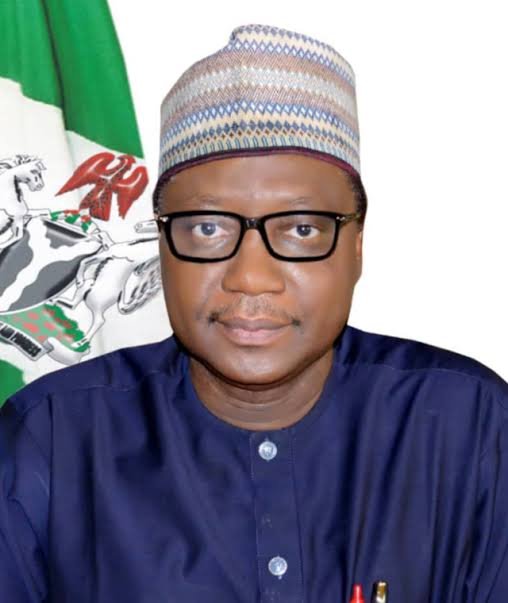
INEC Trains Officers On Archiving To Protect Institutional Memory Ahead Of 2027

The Independent National Electoral Commission has commenced a capacity building workshop for its Public Affairs Officers on archiving, cataloguing and documentation as part of efforts to strengthen institutional memory ahead of the 2027 General Election. The workshop, held in Abuja under the theme Preserving Institutional Memory Through Effective Archiving And Documentation, continues a capacity building programme for the officers that began earlier in the week with a focus on strategic communication. In her welcome remarks, Director of Voter Education and Publicity, Mrs Victoria Eta Messi, described archiving and documentation as critical components of the Commission’s work, noting that proper preservation of records would enable INEC to learn from previous electoral cycles. She said the Graphic, Library and Documentation Division, being the youngest division in the department, required strengthened capacity across the states to effectively perform its responsibilities, urging participants to take the training seriously. Eta Messi noted that records from previous electoral cycles were sometimes left in boxes or poorly organised, making it difficult for the Commission to conduct comparative analysis and learn from past experiences. The Chief Press Secretary to the INEC Chairman, Mr Adedayo Oketola, also underscored the importance of the exercise, particularly as the Commission prepares for the 2027 General Election. Speaking on the workshop’s objectives, Deputy Director of the Graphic, Library and Documentation Division, Mrs Perpetua Obiageri Aligwara, identified the loss of procedural knowledge and inconsistent application of guidelines as key risks of poor records management. She stressed the need for a central and secure archive for election guidelines, results documentation, litigation records and post election reviews, saying effective documentation would help safeguard consistency and public confidence across election cycles. Resource persons Mr Osarome Ogbebor and Mr Elijah Olawale Azeez took participants through records creation, filing practices and the protection of institutional records, with the two day training expected to equip officers with practical archiving skills. By Asiwaju Adekunle Saheed

Continue Reading
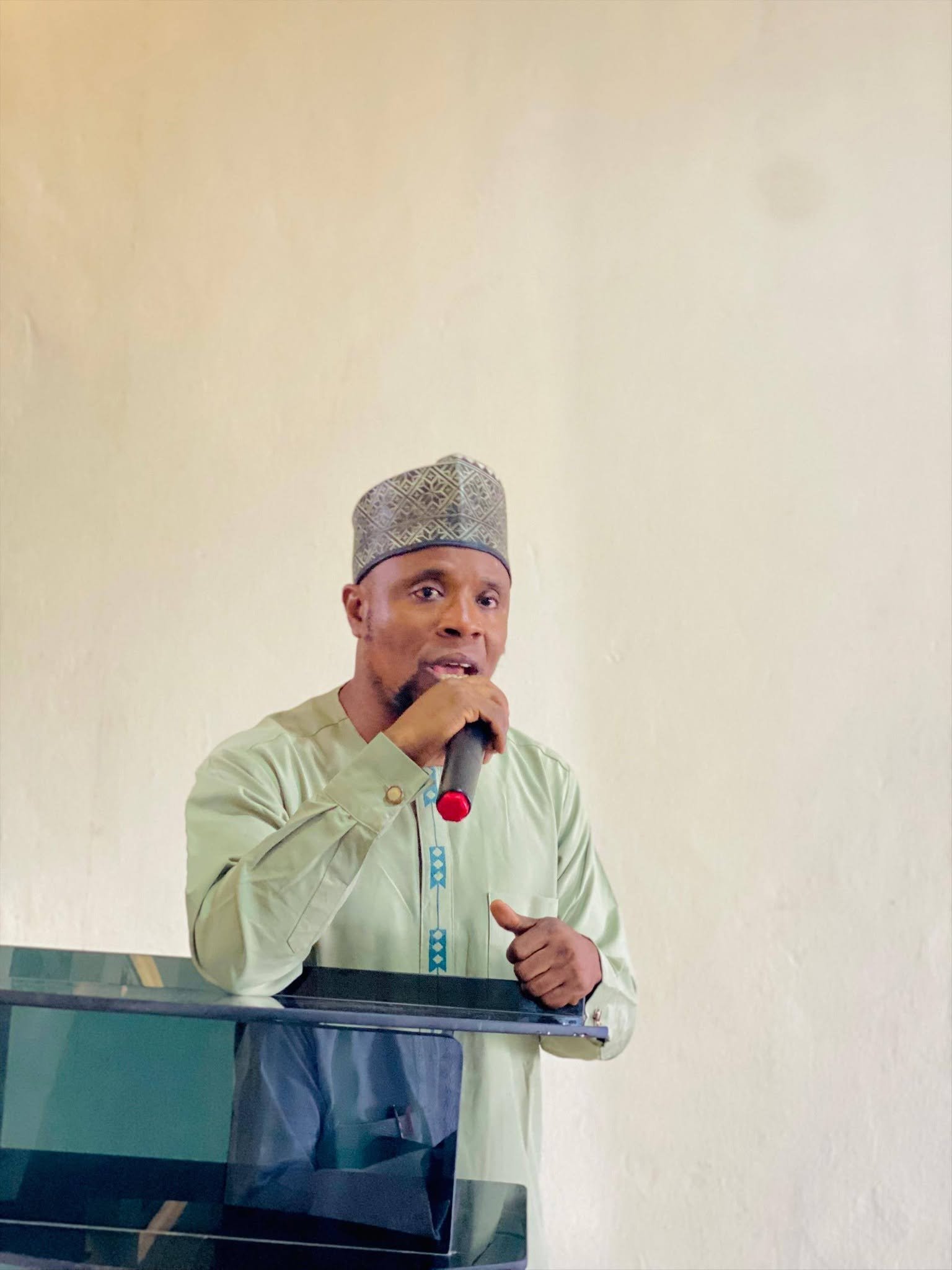
RMAFC Sets Up Planning Committee To Drive China Oil And Gas Investment Push

The Revenue Mobilisation Allocation and Fiscal Commission has inaugurated a Planning Committee to coordinate preparations for the forthcoming Oil and Gas Investment Forum scheduled to hold in China later this year. The Chairman of the Commission, Dr Mohammed Bello Shehu, represented by the Investment Monitoring Committee and Federal Commissioner representing Anambra State, Hon Ekene Enefe, chaired the inaugural meeting held at the Commission’s headquarters in Abuja. In his remarks, Dr Shehu underscored the importance of strategic planning, effective coordination and strong institutional collaboration in ensuring the successful implementation of the programme, noting that the forum would provide a credible platform for showcasing Nigeria’s investment opportunities across the oil and gas value chain. He charged the Planning Committee to develop a comprehensive framework for the event, identify priority investment opportunities, coordinate stakeholder participation and facilitate strategic engagements with prospective investors and partners in China. According to him, the investment forum would feature business to business engagements, investment matchmaking, technical presentations and policy dialogue aimed at promoting sustainable partnerships between Nigeria and China in the oil and gas sector. The Chairman reaffirmed the Commission’s commitment to collaborating with relevant institutions and stakeholders within its constitutional mandate, to support initiatives that strengthen investment and improve revenue generation. The inauguration of the Planning Committee marks an important step toward the coordinated preparation for the China oil and gas Investment Forum, aimed at promoting Nigeria’s investment opportunities in the international oil and gas market. The Planning Committee comprises representatives of the Nigerian Upstream Petroleum Regulatory Commission, the Nigerian Midstream and Downstream Petroleum Regulatory Authority, the Nigerian Investment Promotion Commission, the Federal Ministry of Industry, Trade and Investment, the Oil and Gas Free Zone Authority and the Nigeria China Business Council. Also in attendance was the Federal Commissioner representing Kogi State, Hon Abdulaziz Idris King, alongside other members of the Investment Monitoring Committee. By Asiwaju Adekunle Saheed

Continue Reading

Worship Is Sacred, But No Faith Owns The Road, Cleric Warns Nigerians

A public road is a shared public space. Muslims, Christians, traditionalists, atheists and agnostics all have the right to use it, and no religious group has the right to prevent others from using a major public road unnecessarily. It has been observed that in some communities, worshippers obstruct roads and cause unnecessary hardship to road users, a practice that sometimes happens around Muslim places of worship and also occurs in some Christian communities. Whether it happens more among Muslims or Christians is not the issue, the practice is wrong regardless of who does it, and in a multi religious country like Nigeria, public roads belong to all citizens irrespective of religious affiliation. A recent video showing a lady expressing anger over Muslims obstructing a road prompted this message to her and to others who may have experienced similar obstruction, whether on Fridays or during Ramadan, do not blame Islam for poor logistical planning by mosque leaders. Islam does not permit Muslims to unnecessarily obstruct public roads or cause avoidable hardship to others, since people have appointments, businesses, emergencies and livelihoods to attend to and should not be kept captive because others are worshipping, particularly those who do not even share the faith. Mosque leaders should therefore plan adequately for large congregations, and where a mosque is too small, arrangements should be made for additional space without unnecessarily blocking major public roads, particularly where road users have no reasonable alternative route. Mosques with limited space should consider expansion, while those planning new mosques should think ahead about future growth and provide adequate space for worshippers from the outset. Mosques are places of worship and roads are public infrastructure, and major public roads should not be turned into worship centres that inflict avoidable hardship on other citizens who have every right to move freely. Some non Muslims have mistakenly assumed that road obstruction during Muslim worship is a fundamental feature of Islam, but it is not. This misunderstanding has even surfaced in recent discussions around a proposed government bill on preaching in public vehicles, with some Christians citing road obstruction by Muslim worshippers as grounds for government to also restrict such practices, an argument that should not be necessary in the first place, since road obstruction is not a teaching of Islam and should not be defended simply because those involved are Muslims. At the same time, this issue should be addressed with wisdom. Fighting worshippers or verbally abusing them for road obstruction will only make matters worse, whereas polite engagement with the leaders of affected religious centres, alongside appropriate intervention by relevant authorities, can achieve far more lasting results. Muslims building new mosques should have a clear plan for future expansion from the outset, so that today’s congregation does not become tomorrow’s road obstruction. The principle remains simple, worship freely, but respect the rights of others, because no religion has a monopoly on public roads. By Abdul-Ganiyy Raji, National Da’wah Officer, NASFAT

Continue Reading